Your Ultimate 3D Printing Resource
Discover the best 3D printing materials, filaments, and printers. Expert reviews, guides, and exclusive deals on Polymaker and Sovol3D products.
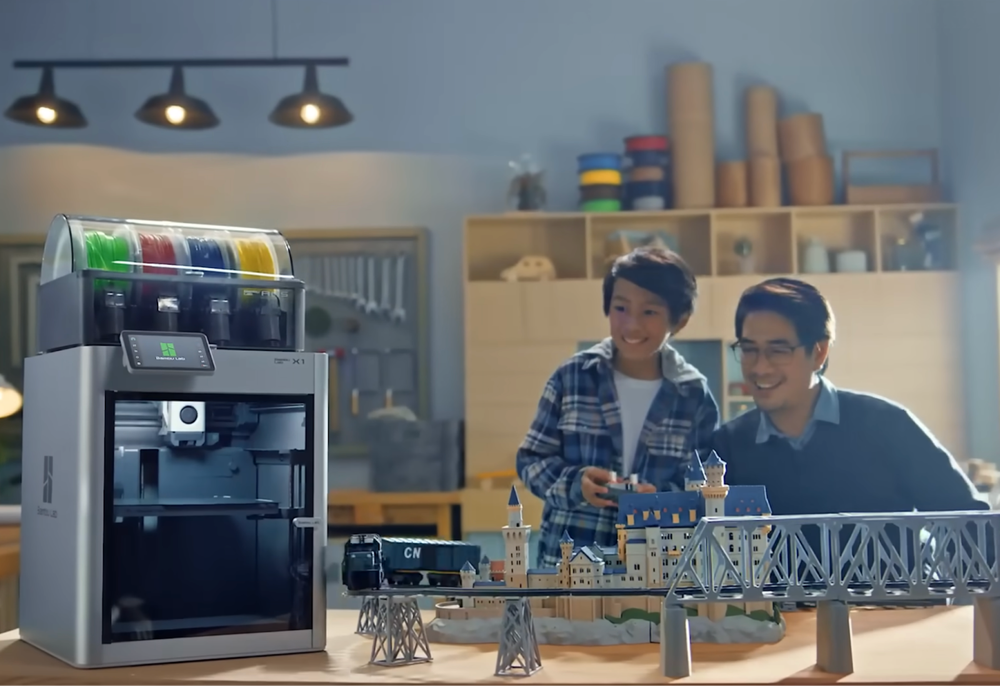
Top Rated FilamentsSEE ALL FILAMENTS >>>
Premium quality filaments from Polymaker for all your 3D printing needs
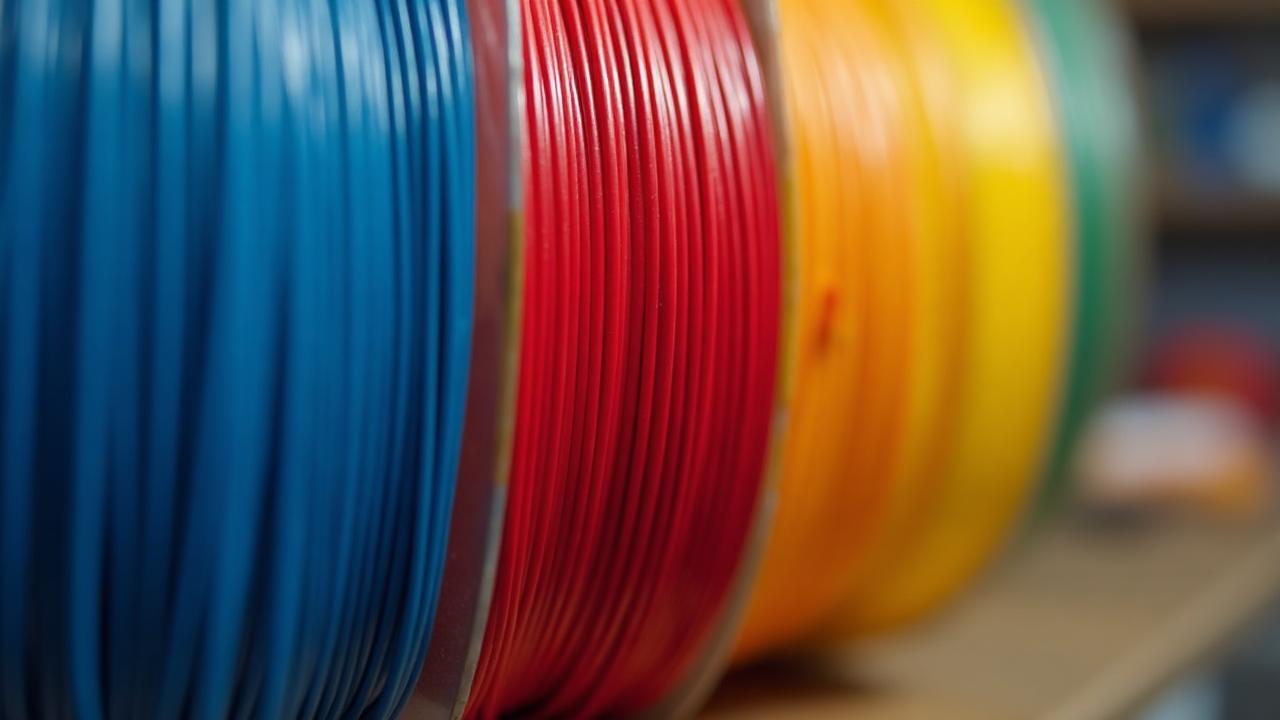
Polymaker PolyLite PLA
From $19.99
Premium quality PLA filament perfect for beginners and professionals. Excellent layer adhesion and vibrant colors.
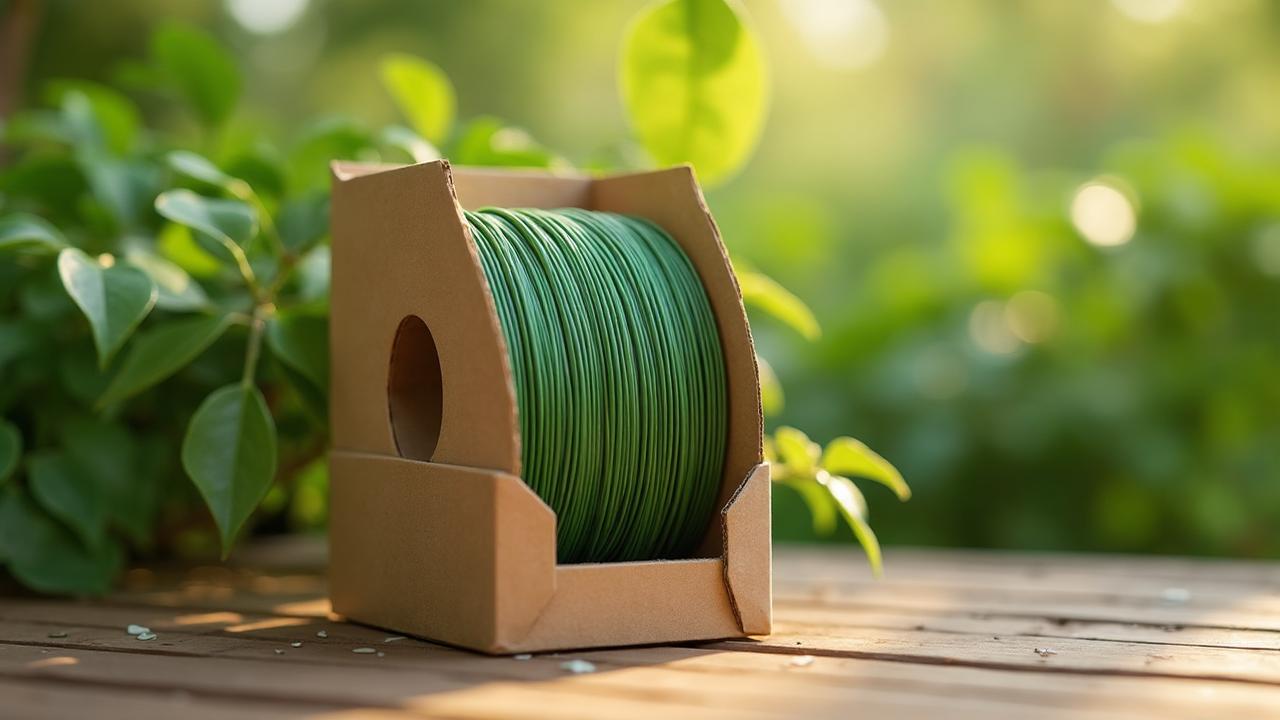
Polymaker PolyTerra PLA
From $17.99
Eco-friendly PLA made from renewable resources. Great for sustainable 3D printing projects.
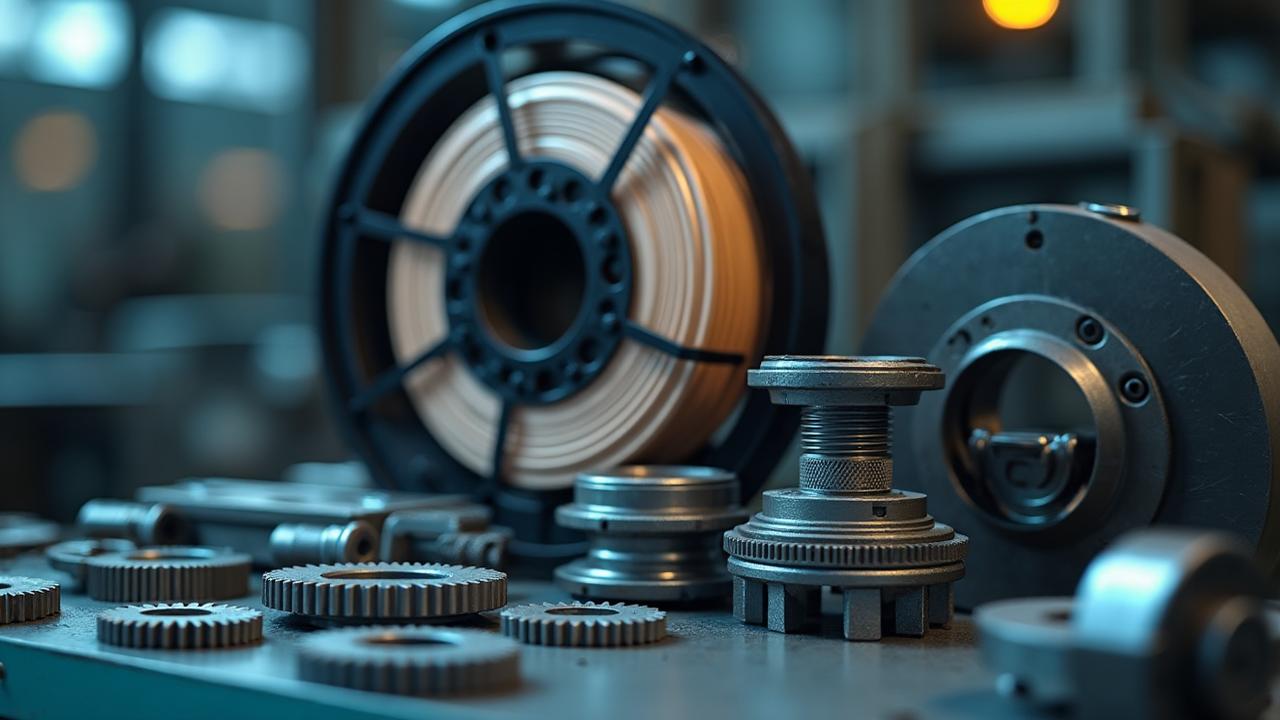
Polymaker PETG
From $24.99
Durable and strong PETG filament for functional parts. Excellent chemical and heat resistance.
Best Budget 3D PrintersSHOP ON SOVOL >>>
Affordable printers paired with premium Polymaker filaments for the best results
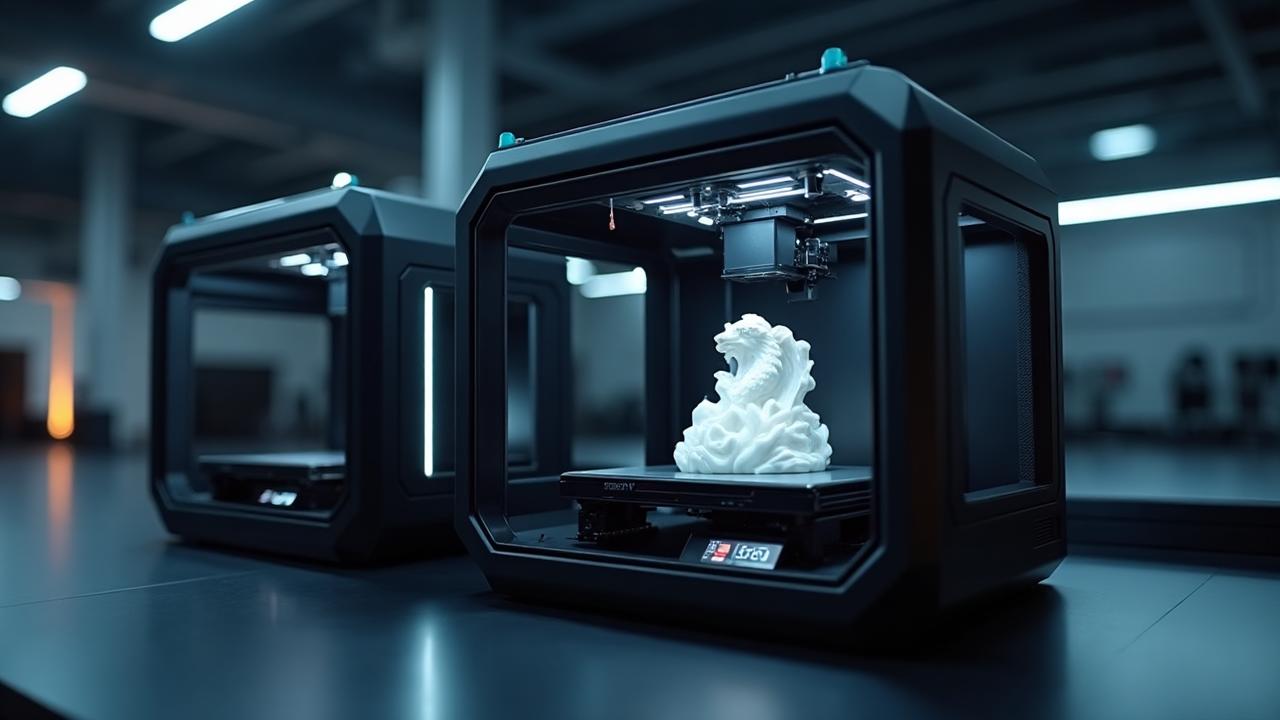
Sovol SV08
From $449
High-speed CoreXY 3D printer with Klipper firmware. Perfect for enthusiasts seeking professional results.
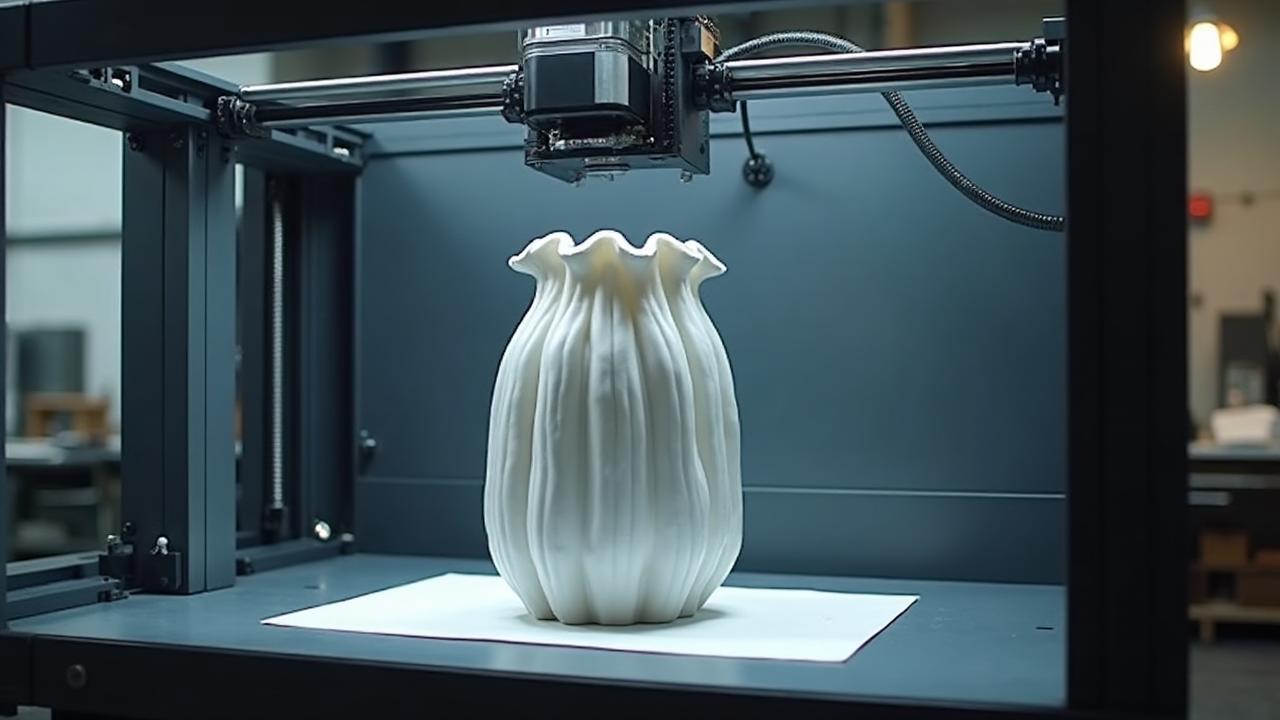
Sovol SV06 Plus
From $299
Large build volume printer ideal for big projects. Direct drive extruder for flexible filaments.
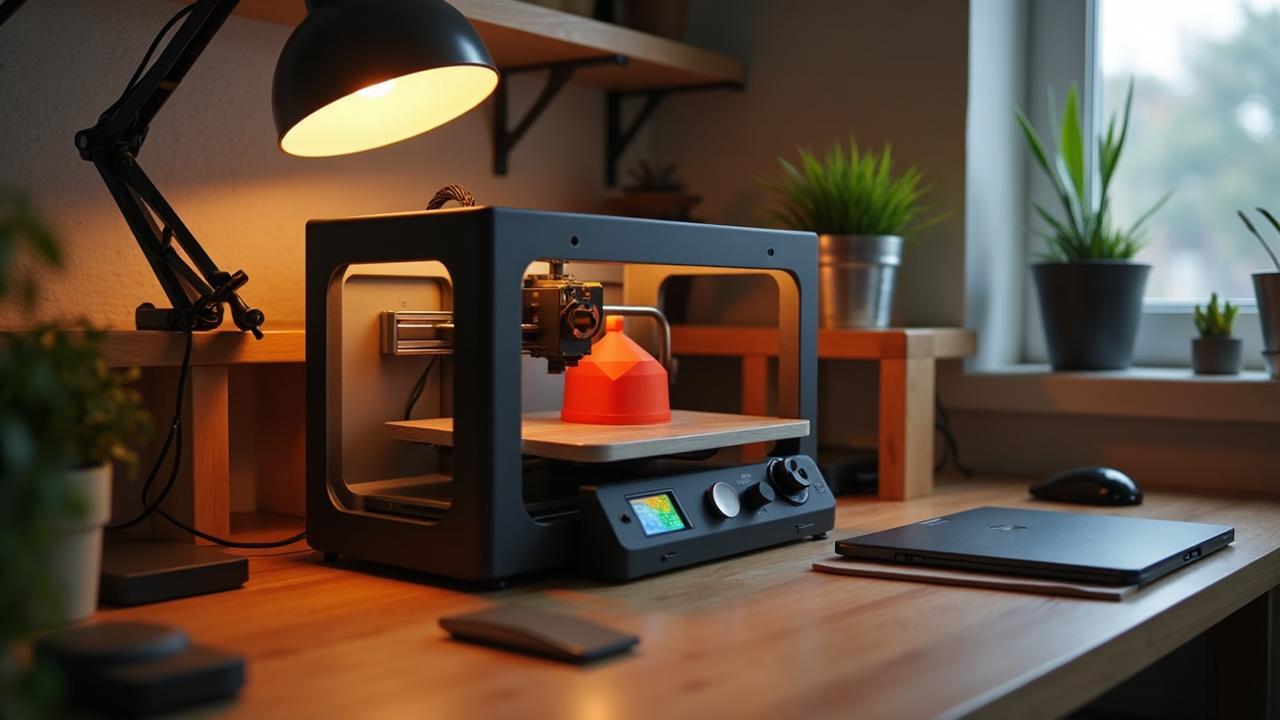
Sovol SV07
From $279
Budget-friendly printer with impressive features. Auto-leveling and silent stepper motors included.
Unlocking Endless Possibilities: What You Can Create with 3D Printing
3D printing has revolutionized the way we think about manufacturing, creativity, and problem-solving. What once seemed like science fiction—the ability to design something on a computer and watch it materialize before your eyes—is now accessible to anyone with a printer and a spool of filament. Whether you're a hobbyist, an engineer, an artist, or just someone with a curious mind, 3D printing opens doors to creating things you never imagined possible.
The beauty of 3D printing lies in its versatility. You can design and print functional tools that solve everyday problems, create stunning artistic pieces that showcase your creativity, or even build prototypes for the next big invention. From intricate jewelry to life-sized cosplay armor, from replacement parts for broken appliances to custom-designed toys for your kids—the only limit is your imagination. And the best part? You're in complete control of the process, from conception to completion.
But here's what many newcomers don't realize: the quality and durability of what you create depends heavily on two critical factors—the materials you use and the printer you choose. Let's dive deep into what makes 3D printing such an incredible technology and how you can maximize your results.
The Amazing Range of Things You Can Print
When people first discover 3D printing, they often start with simple items—a phone stand here, a keychain there. But once you understand the capabilities of your printer, the world truly opens up. Makers have created museum-quality dinosaur skeletons that stand several feet tall, complete with articulated joints. Artists have produced sculptures so detailed they rival traditional clay work. Engineers have printed functional gears, bearings, and mechanical assemblies that actually work under real-world stress.
Action figures and collectibles are incredibly popular in the 3D printing community, and for good reason. You can print characters from your favorite games, movies, or original designs with stunning detail. Want a miniature army for tabletop gaming? Print it. Need replacement parts for vintage toys? Design and print them. The cosplay community has particularly embraced 3D printing, creating elaborate armor sets, helmets, and props that would be nearly impossible to fabricate any other way. Iron Man suits, Mandalorian armor, and fantasy weapons that look absolutely screen-ready are common results.
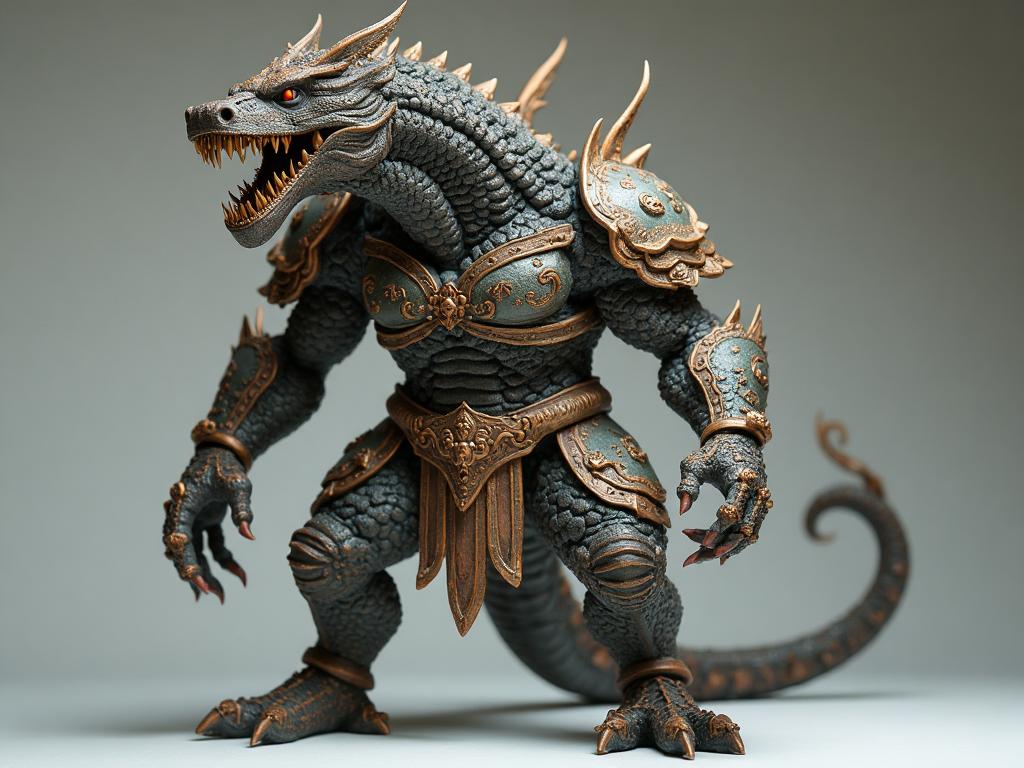
Example of a highly detailed 3D printed figure showcasing what's possible with quality materials and proper printer settings
Functional prints are equally exciting. Need a custom organizer for your workshop? Print it to your exact specifications. Want to fix that broken latch on your car's glove box? Design a replacement part. Home improvement projects become easier when you can create custom brackets, mounts, and fixtures. Camera gears, tripod mounts, garden tool holders, and cable management solutions are all common functional prints — each one perfectly sized to the need.
Educational models are another fantastic application. Print anatomical hearts for biology students, geometric shapes for math lessons, or historical artifacts for history projects. Teachers are discovering that 3D printing makes abstract concepts tangible. Architectural students create scale models of their designs. The technology bridges the gap between digital and physical in ways that enhance learning and creativity.
Why Material Quality Makes All the Difference
Here's something I wish someone had told me when I started: not all filament is created equal. You might be tempted to grab the cheapest spool you can find, but trust me, this is where quality matters immensely. The filament you choose determines not just how your print looks, but how strong it is, how long it lasts, and even how easy it is to work with.
High-quality PLA filament is where most people start, and for good reason. PLA (Polylactic Acid) is derived from renewable resources like corn starch, making it environmentally friendly. It's easy to print with, doesn't require a heated bed on most printers, and produces vibrant, smooth finishes. But here's the key: premium PLA from reputable manufacturers flows consistently, has minimal warping, and offers excellent layer adhesion. Cheap PLA might save you a few dollars upfront, but you'll waste more time troubleshooting failed prints and dealing with brittle parts that snap under minimal stress. For an eco-friendly option, check out our guide on finding the best deals on PolyTerra PLA.
When you need durability and strength, PETG materials step up to the plate. PETG (Polyethylene Terephthalate Glycol) combines the ease of printing PLA with the strength and flexibility of ABS. It's chemical-resistant, weather-resistant, and can handle much higher temperatures before deforming. PETG suits anything that needs to withstand real-world use—mechanical parts, outdoor fixtures, and anything that might get dropped or stressed. Quality PETG prints with a beautiful glossy finish and has exceptional layer bonding that makes your prints incredibly strong. For engineering-grade applications requiring even more heat resistance, learn about PolyMax PC-ABS filament and where to buy it.
Specialty filaments open up even more possibilities. Flexible TPU filaments let you print rubber-like objects—phone cases, gaskets, even custom shoe insoles. Wood-filled and metal-filled filaments create prints with unique textures and aesthetics. Carbon fiber reinforced filaments offer exceptional strength-to-weight ratios for engineering applications. Glow-in-the-dark, temperature-changing, and transparent filaments add special effects to your creations.
The difference between budget and premium filament becomes crystal clear when you're halfway through a 20-hour print and it fails because the diameter was inconsistent or the material had moisture contamination. Quality manufacturers maintain tight tolerances on filament diameter (typically ±0.03mm), ensure proper drying before spooling, and use pure, virgin materials rather than recycled plastics. This consistency translates directly to reliable prints and less wasted time.
Choosing the Right Printer: Where Quality Begins
Your printer is your gateway to the world of 3D printing, and selecting the right one shapes your entire experience. The good news? Today's budget-friendly printers like the Sovol SV06 Plus with Klipper and SV07 Plus for large format printing deliver professional results at hobby prices. Today's budget 3D printers offer features that would have cost thousands just a few years ago. But understanding what actually matters will help you make the right choice.
Print resolution, measured in layer height, determines how smooth and detailed your prints look. A printer capable of 0.1mm layers will produce finer details than one limited to 0.3mm layers. However, higher resolution means longer print times, so having a printer that offers flexibility is ideal. Most modern printers can handle layer heights from 0.1mm to 0.3mm, giving you the choice between speed and detail depending on your project.
Build volume is another crucial consideration. A larger build plate lets you print bigger objects or multiple items simultaneously. If you're planning to create cosplay armor, large decorative pieces, or want to batch-print smaller items for efficiency, a printer with at least a 250mm x 250mm x 250mm build volume opens up significantly more possibilities. Smaller desktop printers are fine for miniatures and modest projects, but you'll quickly feel constrained if you want to tackle more ambitious builds.
Features like automatic bed leveling save enormous amounts of frustration. Getting your print bed perfectly level is critical for first-layer adhesion, and doing it manually can be tedious and error-prone. Auto-leveling systems probe the bed at multiple points and compensate for any irregularities automatically. Direct drive extruders offer better control than Bowden systems, especially for flexible filaments. Dual Z-axis motors improve stability and reduce wobbling on taller prints.
Speed versus quality is often misunderstood. A printer's maximum speed specification might be impressive, but can it maintain quality at that speed? Modern Klipper-based printers have revolutionized this, using advanced motion planning to achieve genuinely fast prints without sacrificing quality. CoreXY designs further improve speed and accuracy by using a different motion system than traditional Cartesian printers. The result is prints that finish in hours rather than days, without the layer shifting or ringing artifacts that plagued earlier fast-printing attempts.
Don't overlook community support and upgrade potential. A printer backed by an active community means you'll find solutions when you encounter problems, access to custom firmware improvements, and a wealth of upgrade paths. Open-source designs typically offer more flexibility for modifications and improvements over time. The best printer isn't necessarily the most expensive—it's the one that matches your needs, fits your budget, and has the support ecosystem to help you succeed.
Starting Your 3D Printing Adventure
Beginning your 3D printing journey might seem daunting, but the learning curve is friendlier than you think. Start with proven designs from repositories like Thingiverse or Printables to understand how your printer behaves. Watch how different settings affect your results. Experiment with temperature, speed, and retraction settings to find the sweet spot for your specific combination of printer and filament.
The 3D printing community is incredibly welcoming and helpful. Online forums, Reddit communities, and Discord servers are filled with experienced makers eager to help newcomers troubleshoot issues. Don't be afraid to ask questions or share your first attempts, even if they're not perfect. Every expert was once a beginner who printed their fair share of "spaghetti monsters."
Most importantly, embrace the creative possibilities. Yes, there's a technical side to 3D printing, but at its core, this technology is about bringing ideas to life. That concept you sketched on a napkin can become reality. That broken part you need can be designed and printed in an afternoon. That gift you want to make can be customized in ways no store-bought item ever could. 3D printing puts the power of manufacturing in your hands, and once you experience the satisfaction of holding something you designed and created yourself, you'll understand why this technology has captured the imagination of millions worldwide.
Frequently Asked Questions
Quick answers to common questions about 3D printing materials and printers
Start Your 3D Printing Journey Today
Join thousands of makers and hobbyists who trust 3D Print Geek for their 3D printing materials and equipment needs.