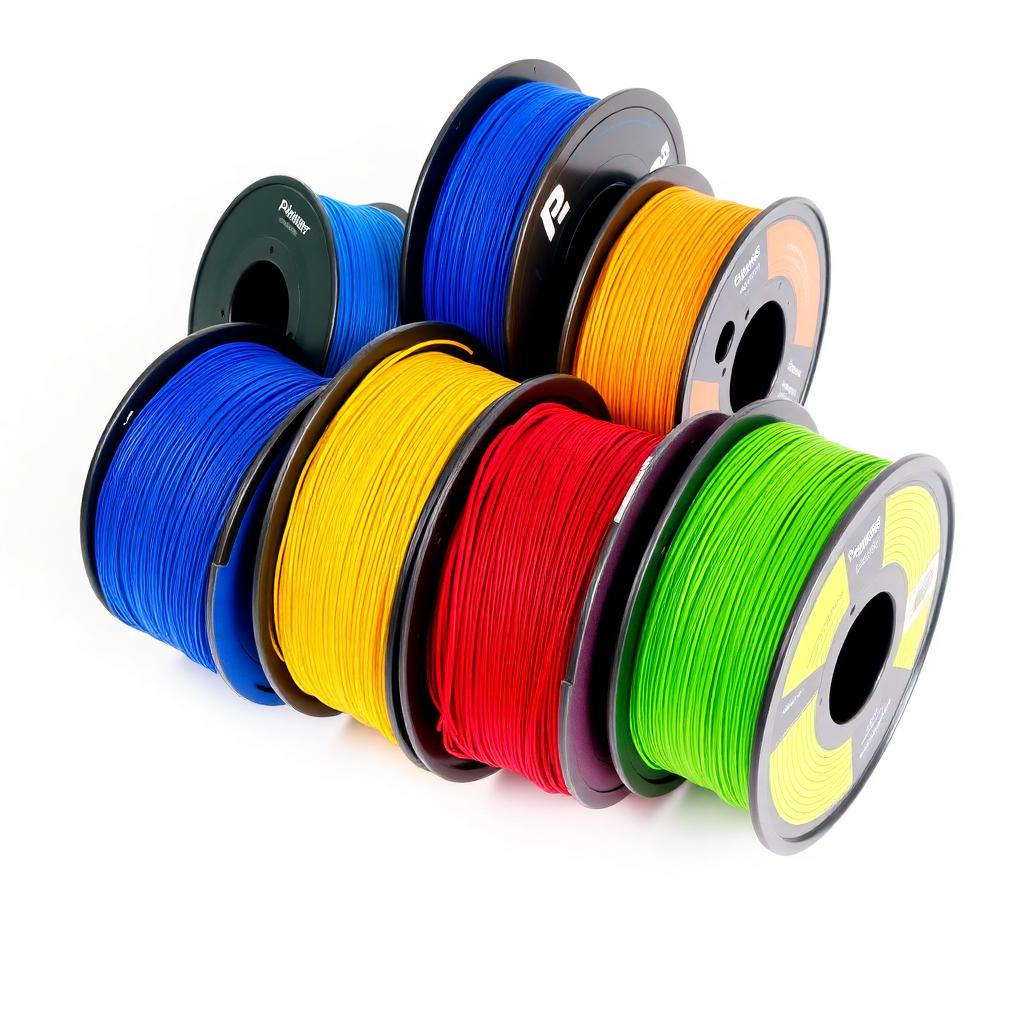
Best 3D Printer Filaments Guide 2026
Your complete guide to choosing the perfect filament for every project
Choosing the right 3D printer filament can make or break your printing projects. With hundreds of options available in 2026, from basic PLA to advanced engineering materials, understanding filament properties and use cases is essential for success. This comprehensive guide covers everything you need to know about selecting, buying, and using 3D printer filaments.
PLA Filaments: The Universal Choice
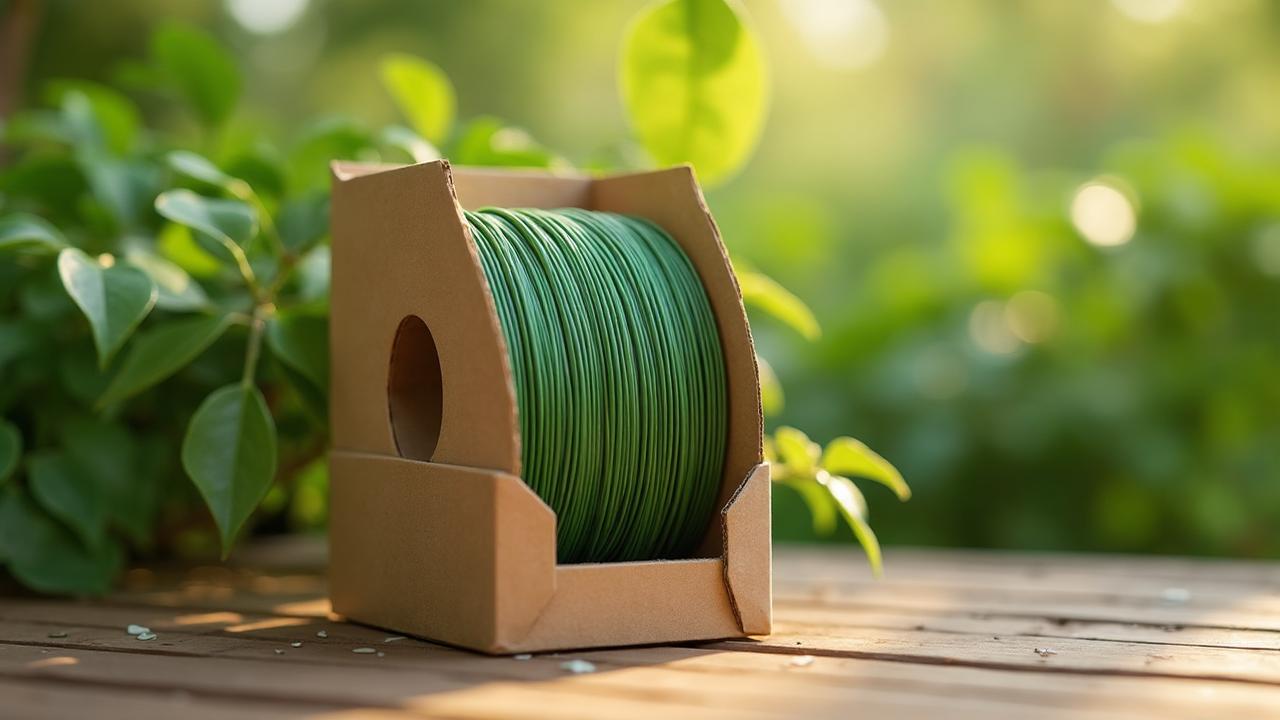
Why Choose PLA?
- Easiest to Print: Perfect for beginners, prints reliably at low temperatures (190-220°C)
- No Warping: Minimal bed adhesion issues, works without heated bed
- Eco-Friendly Options: Made from renewable resources like corn starch
- Wide Color Range: Available in hundreds of colors and finishes
- Affordable: Best value for prototyping and decorative prints
Top PLA Recommendations
Polymaker PolyTerra PLA - Best Eco Choice
Cardboard spool, carbon-neutral, excellent quality. Perfect balance of price and performance.
PolyTerra vs PolyLite comparedPolymaker PolyLite PLA - Best Value
Industry standard, consistent quality, wide color selection.
How to evaluate a bundlePopular PLA Colors
Matte white remains the most popular choice for functional prototypes and can be easily painted. See how PolyTerra matte compares with PolyLite.
PETG Filaments: Strength Meets Flexibility
When to Use PETG
- Functional Parts: Higher strength and impact resistance than PLA
- Outdoor Use: Better UV and weather resistance
- Mechanical Parts: More flexible, less brittle than PLA
- Food Contact: FDA-approved options available
- Temperature Resistance: Handles up to 80°C
PETG Printing Tips
- Print temperature: 230-250°C
- Bed temperature: 70-80°C
- Reduce print speed for better layer adhesion
- Use proper cooling to prevent stringing
Specialty & Engineering Filaments
PC-ABS (Polycarbonate ABS)
Best for engineering-grade parts requiring high strength and temperature resistance up to 110°C.
Read the ABS filament guideTPU (Flexible)
Rubber-like flexibility for phone cases, seals, and wearables. Requires slower print speeds.
Tough PLA
Enhanced impact resistance while maintaining PLA's ease of printing. Great for functional prototypes.
Wood & Metal Fill
Aesthetic filaments for decorative prints. Contains real wood particles or metal powder.
Glow-in-the-Dark
Phosphorescent filaments that charge under light and glow in darkness. Perfect for toys, signs, and night-visible prints.
Best glow filament brandsWhy Polymaker Filaments?
Polymaker has established itself as a premium filament manufacturer with consistent quality control, innovative materials, and competitive pricing. Their product lines cover every use case from eco-friendly printing to engineering applications.
Complete Polymaker Guide
Explore our comprehensive guide to all Polymaker filament lines, including detailed comparisons, use cases, and where to find the best deals.
Starter Pack Recommendations
New to Polymaker? A multi-material bundle is a low-commitment way to test finishes before committing to full spools — our guide to evaluating 3D printing deals shows how to check a bundle is genuinely good value.
Smart Filament Buying Strategies
1. Buy in Bulk for Savings
Multi-spool purchases can reduce your cost per spool. Pricing and promotions change, so check the current retailer listing before ordering.
2. Check Shipping Terms Before Ordering
Shipping terms vary by retailer, destination, and order size, and they change over time. Confirm them at checkout. See how shipping terms affect the real price.
3. Try Mystery Boxes for Variety
Mystery boxes are a low-commitment way to try unfamiliar colors. Contents and terms are set by the seller. See how to judge a mystery box.
4. Consider Spool Size
While 1kg spools are standard, 3kg and 5kg spools offer better per-gram pricing for high-volume printing.
5. Check Filament Compatibility
Ensure your printer can handle the material. Specialty filaments may require all-metal hotends or enclosed chambers.
Filament Storage & Maintenance
Keep Your Filament Dry
Most filaments are hygroscopic, meaning they absorb moisture from the air. Wet filament causes print defects, stringing, and poor layer adhesion.
Storage Best Practices:
- Store unused spools in airtight containers with desiccant
- Use vacuum-sealed bags for long-term storage
- Consider a filament dry box for active spools
- If filament becomes wet, dry it at 50-60°C for 4-6 hours
Ready to Start Printing?
Explore our curated selection of top-rated filaments and find the perfect material for your next project. Check out our latest deals and reviews.