Last Updated: November 21, 2025
Polymaker PolyTerra PLA vs PolyLite PLA: Which Should You Buy?
Quick Answer
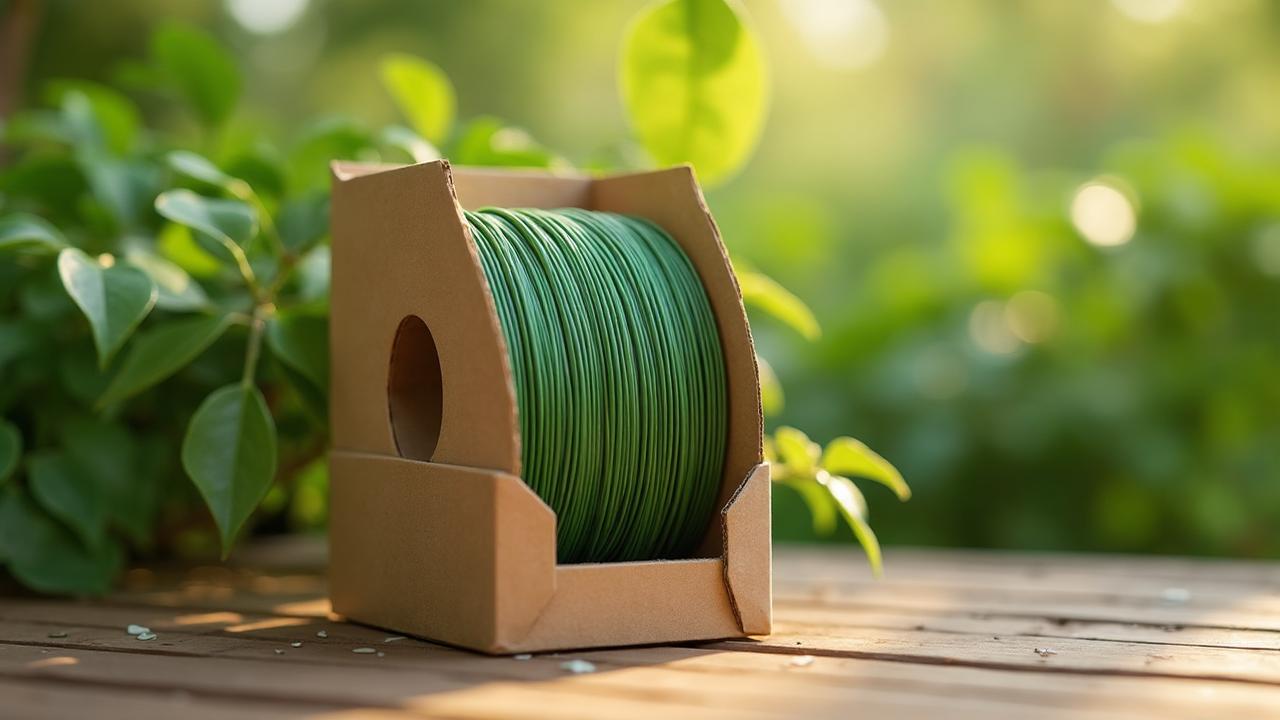
Choose PolyTerra PLA if you want eco-friendly printing, matte finish that hides layer lines, and a lower position in Polymaker's lineup. Choose PolyLite PLA if you prefer glossy finish, traditional spools, or need more color options. Both have identical print quality and strength.
TL;DR — Quick Summary
Both are excellent filaments—choose based on finish preference and eco-consciousness, not quality.
- 1Choose PolyTerra: Matte finish, eco-friendly, value tier
- 2Choose PolyLite: Glossy finish, more colors, standard tier
- 3Strength: Nearly identical (44 vs 46 MPa)
- 4Best Value: PolyTerra for most users
PolyTerra PLA vs PolyLite PLA
PolyTerra PLA
Best for: Budget-conscious makers who want eco-friendly options and matte aesthetics
PolyLite PLA
Best for: Users needing specific colors or glossy finishes
PolyTerra PLA wins for most users due to lower cost, eco-benefits, and matte finish that hides imperfections. Choose PolyLite only for specific glossy needs or rare colors.
Understanding the Two Product Lines
Polymaker offers two excellent PLA filament lines, and the choice between them often confuses buyers. Here's what you need to know: PolyTerra is Polymaker's eco-conscious line, while PolyLite is their standard premium PLA. Both are high-quality, but they target different priorities.
Complete Polymaker Filament Guide
Explore all Polymaker product lines including PolyMax, PolyFlex, and specialty filaments.
Side-by-Side Comparison Table
| Feature | PolyTerra PLA | PolyLite PLA |
|---|---|---|
| Finish | Matte | Glossy |
| Spool Type | Cardboard (recyclable) | Plastic |
| Tensile Strength | 44 MPa | 46 MPa |
| Eco Initiative | ||
| Color Options | 20+ colors | 40+ colors |
| Print Temp | 190-220°C | 190-230°C |
Price Comparison: Which Offers Better Value?
Let's talk money. PolyTerra PLA is normally positioned below PolyLite PLA in Polymaker's own lineup, so it usually works out cheaper per kilogram. Pricing moves with retailer and promotion, so compare the current checkout total rather than a figure quoted here:
PolyTerra PLA Pricing
Includes cardboard spool + tree planting
PolyLite PLA Pricing
Premium glossy finish with more colors
Check current deals for latest pricing.
Compare PolyTerra PLA Prices
Compare PolyTerra PLA listings and retailers before you buy.
Print Quality: Matte vs Glossy Finish Comparison
This is where personal preference matters most. Both filaments print with identical dimensional accuracy and detail resolution. The difference is purely aesthetic:
PolyTerra PLA Matte Finish Benefits
- Hides layer lines: The matte texture diffuses light, making layer lines far less visible
- Professional appearance: Prints look premium without post-processing
- Forgiving for beginners: Small print imperfections are less noticeable
- No fingerprints: Matte surface doesn't show handling marks
PolyLite PLA Glossy Finish Benefits
- Vibrant colors: Glossy finish makes colors appear more saturated and bright
- Smooth to touch: Traditional PLA feel that many prefer
- Better for painting: Smooth surface provides ideal primer base
- Classic aesthetic: Traditional "3D printed" look
Strength and Durability: Is There a Difference?
No meaningful difference in real-world use. Here are the technical specs:
- PolyTerra PLA: 44 MPa tensile strength
- PolyLite PLA: 46 MPa tensile strength
That 2 MPa difference (4.3%) is negligible for phone cases, stressed functional parts, and tool holders—both perform similarly. If you need serious strength, look at Tough PLA vs PETG options instead.
Eco-Friendliness: PolyTerra's Biggest Advantage
This is where PolyTerra clearly wins. Polymaker's "One Tree, One Roll" initiative plants one tree for every PolyTerra spool sold. The cardboard spool is fully recyclable (or reusable), reducing plastic waste significantly.
Environmental Impact Comparison
PolyTerra PLA per spool: 1 tree planted, 200g plastic saved (cardboard vs plastic spool), bio-based PLA formulation
PolyLite PLA per spool: Standard plastic spool (recyclable but rarely recycled), standard PLA formulation
If environmental impact matters to you—and it should—PolyTerra is the obvious choice without sacrificing performance.
Print Settings Comparison
Recommended Settings:
PolyTerra PLA
- Nozzle Temp: 190-220°C (205°C is a good starting point)
- Bed Temp: 25-60°C (60°C first layer)
- Print Speed: 40-80 mm/s
- Retraction: 5mm at 40 mm/s
- Fan Speed: 100% after first layer
PolyLite PLA
- Nozzle Temp: 190-230°C (210°C is a good starting point)
- Bed Temp: 25-60°C (60°C first layer)
- Print Speed: 40-100 mm/s
- Retraction: 5mm at 40 mm/s
- Fan Speed: 100% after first layer
Both filaments are equally easy to print and work with default PLA profiles.
Color Selection: More Options with PolyLite
PolyLite PLA wins on color variety with 40+ colors including specialty shades, while PolyTerra offers 20+ colors focused on popular choices. If you need a specific unusual color, PolyLite is more likely to have it.
However, PolyTerra covers all the essentials: whites, blacks, primary colors, pastels, and earth tones. Most users won't miss the extra options.
Which Should You Buy? Decision Framework
Choose PolyTerra PLA If:
- You want the most affordable option
- Environmental impact is important to you
- You prefer matte finish that hides layer lines
- You're a beginner wanting forgiving results
- You print functional parts or prototypes
Choose PolyLite PLA If:
- You prefer traditional glossy finish
- You need a wide variety of colors
- You plan to paint your prints
- You want vibrant, saturated colors
- You prefer traditional plastic spools
Choosing Between the Two
PolyTerra PLA is the better default choice for most users. The matte finish looks more professional, the price is typically better, and supporting tree planting feels good. Reach for PolyLite specifically when you need a glossy finish or a color PolyTerra doesn't offer.
For beginners, PolyTerra is the smarter choice. It's more forgiving, costs less, and you can feel good about your environmental impact. Start with PolyTerra Matte White and Black—you'll use them constantly.
Where to Buy PolyTerra PLA
Compare PolyTerra PLA retailers to find the best fit for your order.
FAQ: PolyTerra vs PolyLite PLA
What is the main difference between PolyTerra PLA and PolyLite PLA?
PolyTerra PLA is Polymaker's eco-friendly line featuring cardboard recyclable spools, matte finish, and tree planting per spool purchased. PolyLite PLA is their standard premium PLA with glossy finish, traditional plastic spools, and wider color selection. Both have identical strength and print quality.
Is PolyTerra PLA as strong as PolyLite PLA?
Yes, strength is virtually identical. PolyTerra has 44 MPa tensile strength while PolyLite has 46 MPa—a negligible 4% difference that doesn't matter in real-world applications. Both are excellent for functional parts, prototypes, and decorative prints.
Which is better for beginners: PolyTerra or PolyLite?
PolyTerra PLA is slightly better for beginners because its matte finish hides layer lines and printing imperfections more effectively. Both are equally easy to print with default PLA settings, but PolyTerra produces more forgiving, professional-looking results even with beginner mistakes.
Does PolyTerra PLA print quality match PolyLite PLA?
Yes, print quality is equivalent between both filaments. PolyTerra produces matte-finish prints with less visible layering, while PolyLite creates glossy, smooth surfaces. Dimensional accuracy, detail resolution, and consistency are identical—the only difference is the surface finish aesthetic.
Can I use the same print settings for PolyTerra and PolyLite?
Yes, both use identical print settings. Start with 200-210°C nozzle temperature, 60°C bed temperature, and standard PLA speeds. Both filaments are equally easy to dial in and work perfectly with default PLA profiles in your slicer.
Is the cardboard spool on PolyTerra PLA sturdy enough?
Absolutely. Polymaker's cardboard spools are well-engineered and hold up perfectly through the entire roll. They're just as reliable as plastic spools during printing, and you can reuse them for other filaments afterward or simply recycle them.
Explore More Filament Guides
Best Silk PLA Filament 2025
Want a premium metallic finish? See our top silk PLA picks.
Best PETG Filament 2025
Need more strength and heat resistance? Check out our PETG guide.
Ready to Make Your Choice?
Both PolyTerra and PolyLite are excellent filaments. Choose PolyTerra for eco-friendly printing and matte finish, or PolyLite for glossy finish and more colors. Either way, you're getting premium Polymaker quality.
Two ways to buy
Both filaments compared here are Polymaker products. Sovol sells its own PLA if you want a third option.
Both links are affiliate links. We may earn a commission on a qualifying purchase, at no additional cost to you.