Best Silk PLA Filament for 3D Printing: Top Options Compared
By Chris Avery, Publisher / Editor
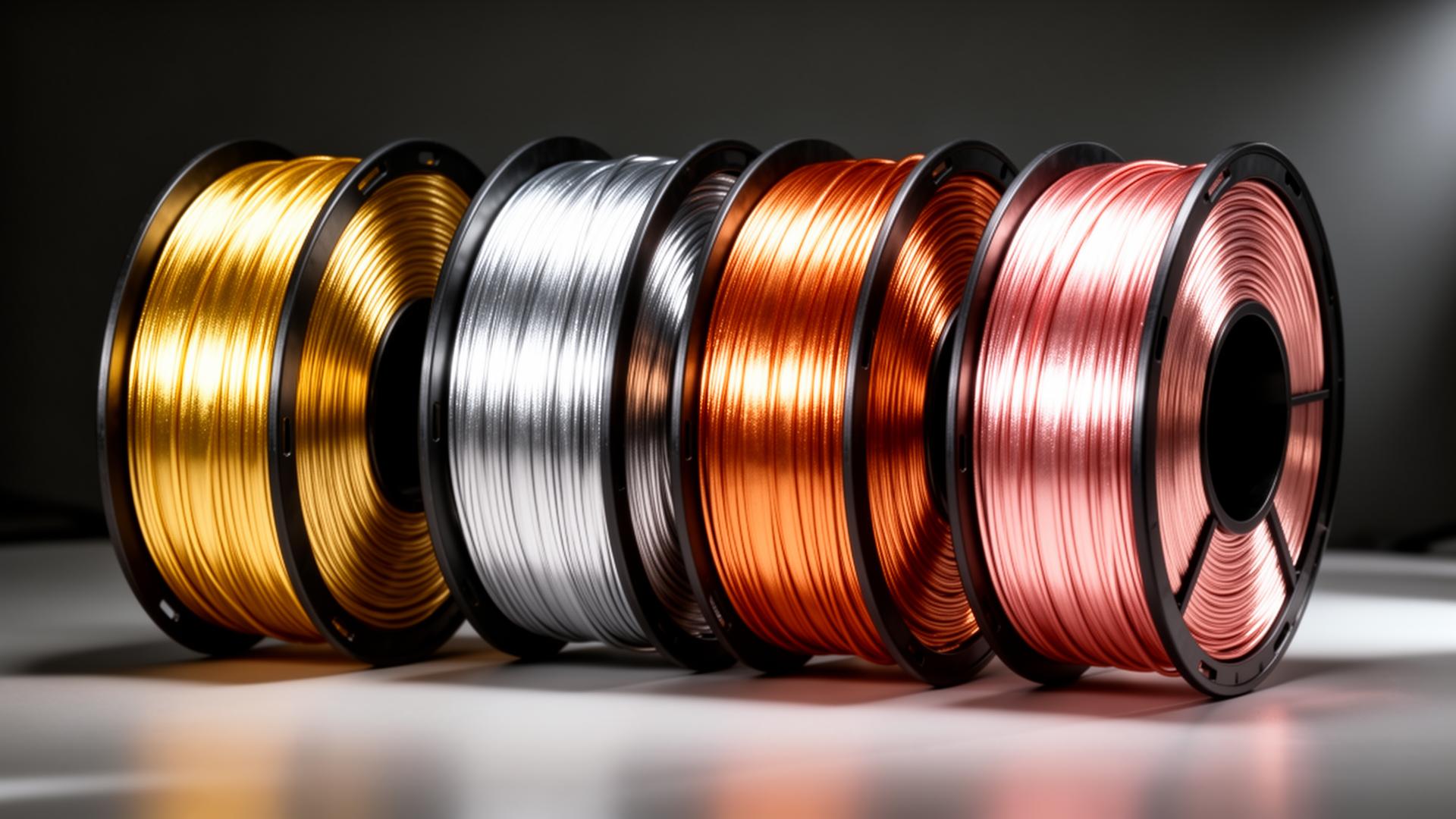
Silk PLA is one of the most popular specialty materials in 3D printing, and for good reason. The glossy, metallic-looking finish it produces can turn an ordinary print into a display piece with no post-processing at all. The hard part is working out which silk filament suits the look you actually want.
This guide compares the main silk PLA options by finish, colour effect, manufacturer-published print settings, colour range and intended use. Whether you are printing decorative vases, cosplay props, jewellery or gifts, it should help you choose a suitable silk PLA for the job.
Quick Answer: Which Silk PLA Should You Choose?
There is no universal best silk PLA, because silk grades are chosen for appearance first, not because they outperform standard PLA mechanically. Pick by the effect you want: a single-colour silk such as Polymaker Panchroma Silk PLA for a clean metallic gloss, a dual-colour silk such as Panchroma Dual Silk or ERYONE Silk Dual-Color for a finish that shifts as you move around the model, or a gradient silk when you want the colour to change along the height of the print.
Then check the practical fit: your model's geometry and layer-line visibility, the manufacturer's own temperature and speed window, whether the part needs real mechanical strength, and how wide a colour range you need. For structural parts, a standard PLA, PLA+ or PETG is usually the more sensible choice.
TL;DR — Quick Summary
Silk PLA is selected for its finish, so start from the visual effect you want and then match the manufacturer's print settings.
- 1Single-colour gloss: Polymaker Panchroma Silk PLA (formerly PolyLite Silk)
- 2Colour-shifting effect: Panchroma Dual Silk PLA or ERYONE Silk Dual-Color
- 3Colour change along the print: Panchroma Gradient Silk PLA
- 4Budget and colour choice: SUNLU Silk PLA+
- 5Function-first parts: Consider standard PLA, PLA+ or PETG instead
What is Silk PLA?
Silk PLA is a specialty PLA filament containing additives that make the extruded surface reflect light evenly, producing a lustrous, metallic-looking sheen similar to silk fabric.
Unlike paints or coatings, the silk effect runs through the entire filament, so scratches or surface damage tend to blend into the overall appearance rather than creating obvious blemishes.
What Makes Silk PLA Different from Regular PLA?
Silk PLA gets its distinctive sheen from additives blended into the base PLA during manufacturing. These change how light reflects off the extruded surface, producing the characteristic glossy, pearlescent appearance that standard matte PLA does not have.
The effect is not surface-level. Unlike paint or a coating that can chip or wear off, the silk effect runs through the entire filament, so scratches and minor surface damage often blend into the overall appearance rather than creating obvious blemishes.
What silk PLA is not is a guaranteed upgrade to standard PLA. Mechanical behaviour varies by formulation, and manufacturers treat these as distinct products with their own settings — Polymaker, for example, describes its current Panchroma silk formula as a rework specifically aimed at the brittleness and clogging problems associated with older silk PLA. Judge each filament on its own data sheet rather than assuming all silk behaves the same.
Advantages of Silk PLA
- • Glossy, metallic-looking finish straight off the printer
- • Hides layer lines better than matte PLA
- • No post-processing needed for decorative parts
- • Wide variety of colours and colour-shifting effects
- • Prints on standard FDM hardware, no special upgrades
Considerations
- • Mechanical properties vary by formulation — check the data sheet
- • Surface defects, blobs and seams show up clearly
- • Best suited to decorative rather than structural parts
- • Settings windows differ noticeably between brands
- • Older silk formulations were prone to brittleness and clogging
Complete 3D Printing Filaments Guide
New to filament materials? Check out our comprehensive guide covering PLA, PETG, ABS, and specialty filaments
Silk PLA Filaments Worth Comparing
The five options below cover the main styles of silk filament on the market: single-colour gloss, dual-colour co-extrusion, gradient transitions and budget colour range. Specifications quoted are the manufacturers' own published figures.
Polymaker Panchroma Silk PLA (formerly PolyLite Silk) — Single-Colour Gloss
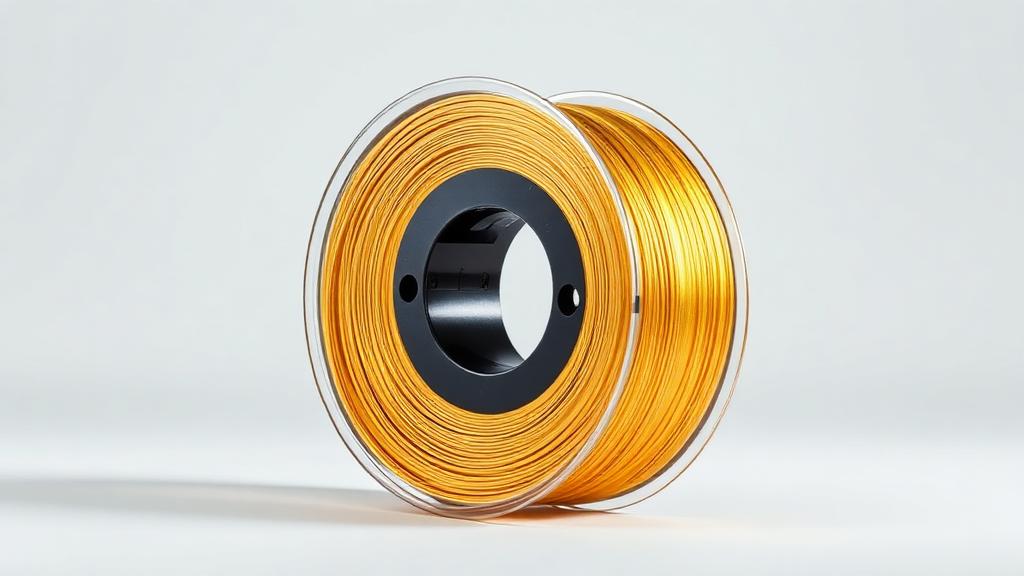
Effect: single-colour high gloss | Polymaker nozzle guidance: 190–230°C | Polymaker speed guidance: up to 250 mm/s
Important naming note first: the filament many guides still call PolyLite Silk PLA is now sold as Panchroma Silk PLA. If you are searching for the old name, this is the product it became.
Polymaker positions the current formula as a fix for the three classic silk PLA complaints — brittleness, clogging and shine that dulls when you print fast. It states the material keeps its silky shine at 150 mm/s and supports printing up to 250 mm/s, which is unusual for a silk grade and the main reason it is worth considering if you print decorative pieces in volume rather than one at a time.
The colour range is the other draw. The single-colour Panchroma Silk line runs to roughly two dozen finishes covering the usual golds, silvers and rose golds plus deeper saturated colours, so it is easy to keep a consistent look across a set of prints.
Best for: clean metallic gloss on vases, figurines, display pieces and gifts, and for anyone who wants a silk filament that does not force them to slow the whole print down.
Polymaker Panchroma Dual Silk PLA — Two Colours in One Strand
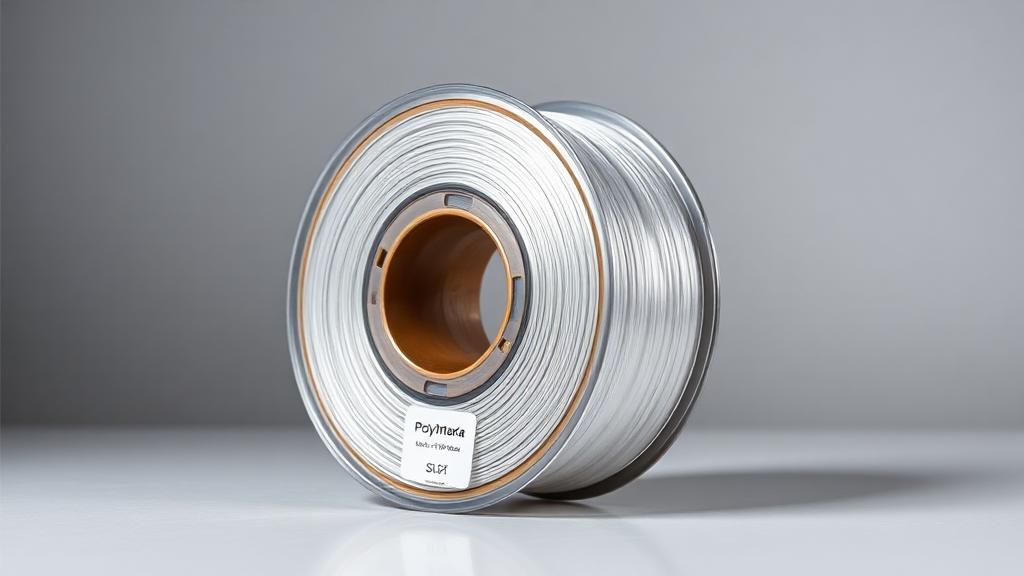
Effect: dual-colour silk | Colour pairings: around ten, including gold-silver, gold-purple, silver-blue and yellow-blue
Dual Silk sits in the same Panchroma family but pairs two silk colours in a single strand, so the printed surface reads differently depending on the angle you view it from. Polymaker names the pairings after the effect rather than the raw colours — Crown is gold and silver, Sovereign is gold and purple, Beluga is silver and blue.
It is the option to reach for when a single metallic colour looks flat on a model. Curved, sweeping surfaces get the most out of it; small, busy, highly detailed models get the least, because the eye never sees enough continuous surface for the shift to register.
Polymaker also sells Panchroma Gradient Silk PLA alongside it, which changes colour progressively along the spool instead. Polymaker publishes the colour cycle length for each gradient — for example 145 g for Silk Rainbow and 85 g for Silk Earth — which matters, because the cycle length relative to your model's size decides whether you get a smooth sweep of colour or several repeats.
Best for: statement pieces, vases and props where a colour shift adds to the design rather than fighting it.
SUNLU Silk PLA+ — Widest Colour Range on a Budget
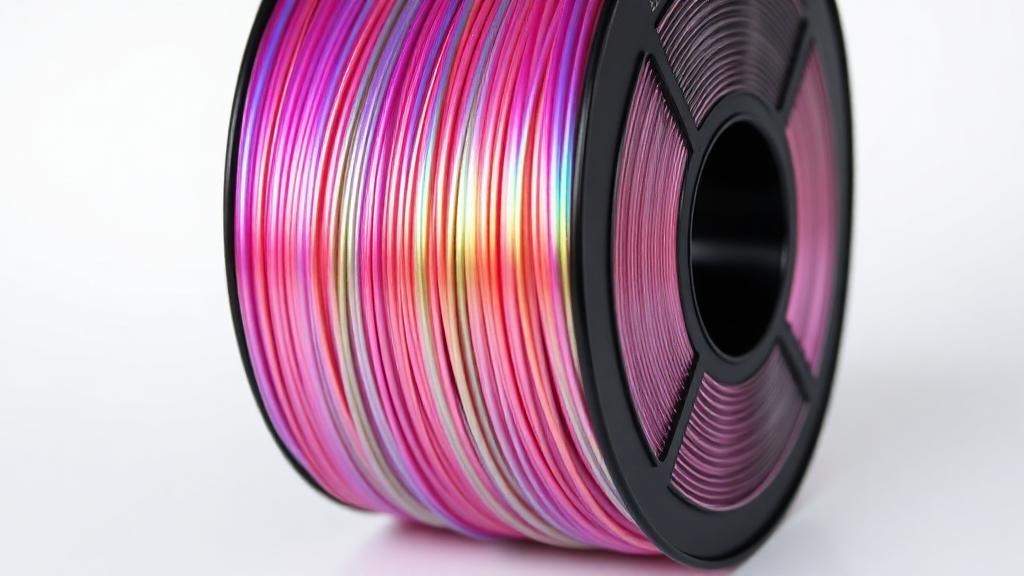
SUNLU nozzle guidance: 210–230°C | Bed: 50–60°C (or adhesive on an unheated bed) | Speed: 50–200 mm/s | Stated tolerance: ±0.02 mm
SUNLU's silk line is built on their PLA+ base rather than plain PLA, and the company positions it as a glossy decorative filament that needs no polishing after printing. There is also a newer Silk PLA+ 2.0 version that SUNLU describes as having brighter, more uniform light reflection and stronger layer bonding than the original.
The appeal here is breadth and price. SUNLU's colour catalogue is large, which makes it the practical choice when you need a lot of different finishes — craft-fair stock, multi-part models, colour experiments — without committing to a premium spool for each one.
Note that SUNLU's speed guidance tops out at 200 mm/s, lower than Polymaker's figure for Panchroma Silk, so it is worth checking against how fast you actually print.
Best for: makers starting out with silk filament, high-volume decorative printing and anyone who wants variety over a single premium finish.
ERYONE Silk Dual-Color PLA — Co-Extruded Colour Shift
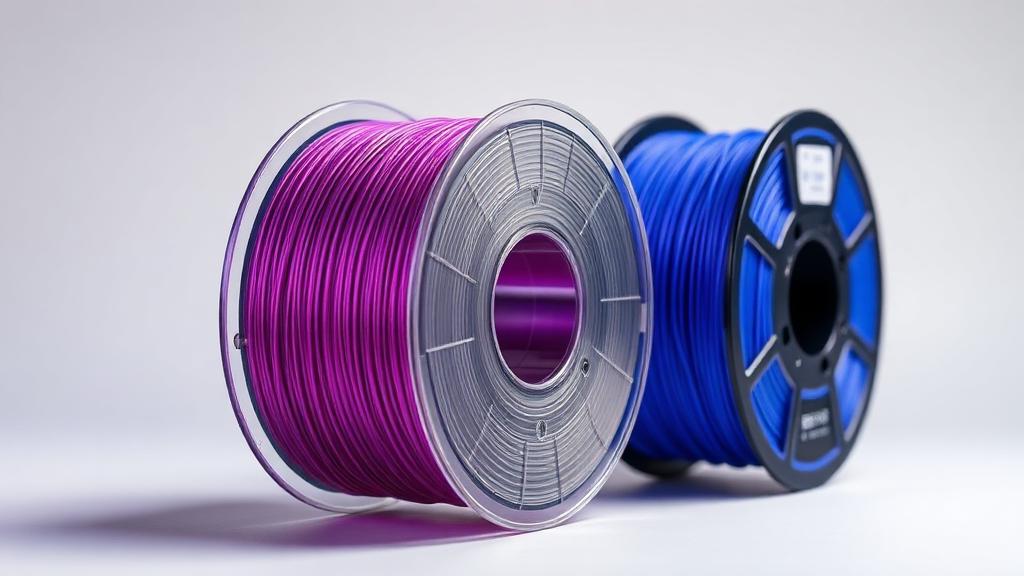
ERYONE nozzle guidance: 190–220°C | Bed: 55–70°C | Speed: 30–100 mm/s | Drying: 50–60°C for 6 hours | Stated tolerance: ±0.03 mm
ERYONE makes this by co-extruding two differently coloured silk filaments through a single strand, so the printed surface shows a gradient that changes as you view the model from different angles. It is the clearest example of the dual-colour approach, and ERYONE sells it in small 250 g rolls, which is a cheap way to find out whether the effect suits your models before buying a full kilogram.
ERYONE's own data sheet makes a genuinely useful point about tuning: surface gloss can be controlled through settings, with a higher nozzle temperature or a lower printing speed producing a stronger shine. That is a real lever if your first print comes out duller than you expected.
The speed window is the trade-off. At 30–100 mm/s it is considerably slower than the Polymaker figure, so large models take noticeably longer.
Best for: vases, sculptural prints and cosplay pieces where colour variation is the point, and for testing the dual-colour look cheaply.
MatterHackers Build Series Silk PLA — US-Stocked Alternative
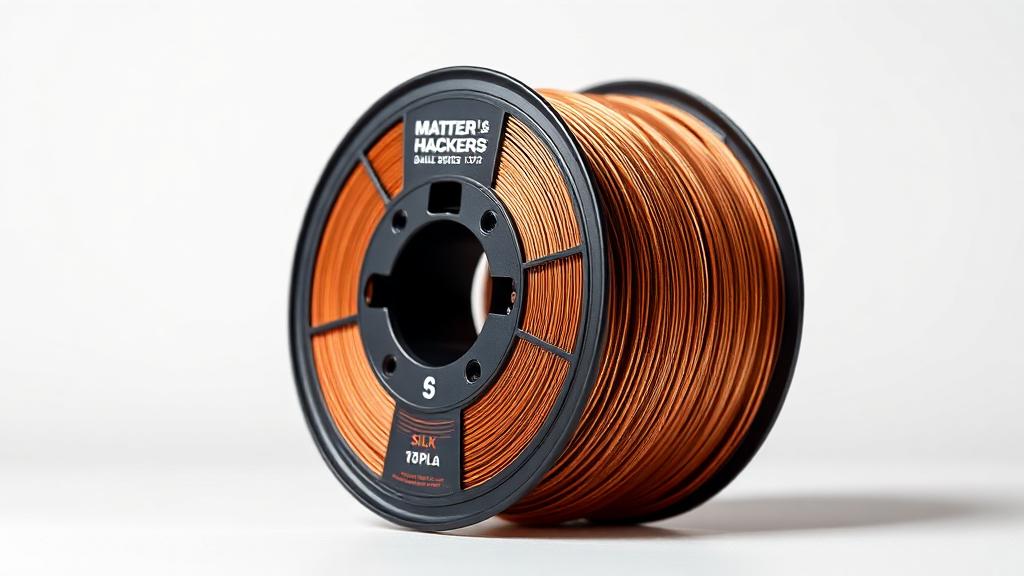
Effect: single-colour metallic silk | Availability: stocked and supported in the US
MatterHackers' own Build Series silk PLA is worth knowing about mainly for availability and support reasons: it ships from a US retailer with US-based customer service, which matters if a bad spool needs replacing quickly and a print deadline is involved.
Colour range is narrower than SUNLU's and the published settings information is less detailed than Polymaker's or ERYONE's, so check the current listing for the specific colour you want before ordering.
Best for: US buyers who value fast replacement and a single retailer relationship over the widest possible colour choice.
We have no affiliate relationship with MatterHackers; this is an editorial mention only.
Silk PLA Comparison Table
| Filament | Visual effect | Nozzle (manufacturer) | Bed (manufacturer) | Speed guidance | Best suited for |
|---|---|---|---|---|---|
| Polymaker Panchroma Silk PLA | Single-colour high gloss | 190–230°C | 25–60°C | Up to 250 mm/s | Consistent metallic finish, faster printing |
| Polymaker Panchroma Dual Silk PLA | Two colours in one strand | 190–230°C | 25–60°C | Up to 250 mm/s | Angle-dependent colour shift |
| Polymaker Panchroma Gradient Silk PLA | Gradient along the spool | 190–230°C | 25–60°C | Up to 250 mm/s | Colour change over print height |
| SUNLU Silk PLA+ | Single-colour gloss, wide palette | 210–230°C | 50–60°C | 50–200 mm/s | Colour variety on a budget |
| ERYONE Silk Dual-Color PLA | Co-extruded dual colour | 190–220°C | 55–70°C | 30–100 mm/s | Trying the dual-colour effect cheaply |
| MatterHackers Build Series Silk | Single-colour metallic | Check current listing | Check current listing | Check current listing | US availability and support |
Visual-effect descriptions follow each manufacturer's own product naming and marketing terminology. Always confirm settings against the data sheet supplied with your specific spool.
PolyTerra vs PolyLite Comparison
Curious how Polymaker's main filament lines compare? Read our detailed head-to-head comparison
Single, Dual or Gradient Silk: Which Style Do You Need?
Choosing the style matters more than choosing the brand, because it determines what the finished model actually looks like.
Single-colour silk
One consistent metallic finish across the whole print. Predictable, easy to match across a multi-part model, and the safest choice when you need several pieces to look like a set.
Dual-colour silk
Two colours co-extruded into one strand. The apparent colour changes with viewing angle and extrusion path, so results depend heavily on geometry and orientation rather than being fixed by the spool.
Gradient / multicolour silk
Colour changes gradually along the spool, so it changes with print height. Match the manufacturer's stated colour-cycle weight to your model size to control how many transitions appear.
One realistic expectation to set: manufacturer photography shows the effect on models chosen to display it well. A tall vase in gradient silk and a small, detailed figurine in the same filament will not look remotely alike. Model orientation, geometry, viewing angle, the length of each colour transition and even the lighting in the room all change the result.
Silk PLA Print Settings Guide
Silk grades differ more from each other than standard PLAs do, so treat the manufacturer's published window as the starting point and adjust from there. The table below is a general orientation, not a universal profile.
| Setting | Typical published range | Notes |
|---|---|---|
| Nozzle temperature | 190–230°C across the brands above | Start mid-range for your filament; higher often increases gloss |
| Bed temperature | 25–70°C depending on brand | Polymaker allows a much cooler bed than ERYONE specifies |
| Print speed | 30–250 mm/s depending on brand | Slowing outer walls usually helps surface consistency |
| Retraction | Around 1 mm on direct drive per Polymaker; more on Bowden | Tune per filament — stringing shows badly on a glossy surface |
| Part cooling fan | On, per Polymaker guidance | Adjust rather than assume; check your own filament's sheet |
| Layer height | Standard PLA range | Finer layers give a smoother reflective surface but take longer |
| Drying | ERYONE: 50–60°C for 6 hours | Use your manufacturer's figures; PLA softens at modest heat |
Getting a Better Silk Finish
Silk PLA rewards consistency. Because the surface reflects light so evenly, anything irregular — a blob, a seam, a momentary under-extrusion — becomes obvious. These are the levers that usually matter most:
- Keep extrusion steady: a clean nozzle and a well-tuned flow rate do more for the finish than any single temperature tweak.
- Slow the outer walls: a steadier outer-wall speed usually produces a more even sheen, even when the rest of the print runs fast. ERYONE notes that lower speed or higher temperature increases gloss on its dual-colour silk.
- Place the seam deliberately: tuck it into a corner or hide it on a back face. On a glossy curved surface a visible seam line is the defect people notice first.
- Think about orientation: large, gently curved faces show the sheen best. Orienting the model so its showcase surface is smooth and uninterrupted matters more than layer height.
- Keep the filament dry: store sealed with desiccant and dry to the manufacturer's spec if you see popping, stringing or a dull surface.
- Consider vase mode: spiral vase mode creates a continuous single-wall surface with no seams or infill transitions, which showcases silk filament particularly well.
Best Filament Dryer Guide
If damp filament is dulling your prints, here's how to choose a dryer and what the manufacturers actually recommend
Polymaker Complete Buying Guide
Explore our comprehensive guide to Polymaker's full filament lineup, including the Panchroma range and specialty materials
Best Uses for Silk PLA Filament
Silk PLA earns its place where visual impact matters more than mechanical performance. These are the jobs it suits best:
Decorative Items
- • Vases and planters
- • Sculptures and art pieces
- • Jewellery and accessories
- • Holiday decorations
Gifts & Sales
- • Custom trophies and awards
- • Personalised gifts
- • Etsy and craft fair products
- • Wedding favours
Cosplay & Props
- • Metallic armour pieces
- • Weapons and accessories
- • Crowns and jewellery props
- • Costume details
Display Items
- • Phone and tablet stands
- • Display pedestals
- • Figurine bases
- • Business card holders
Silk PLA and Functional Parts
A common misconception is that a silk finish says something about strength. It does not. Silk grades are formulated around appearance, and their mechanical behaviour varies from one product to another — some manufacturers explicitly market improved layer bonding in newer silk formulas, which is itself an acknowledgement that earlier ones were weaker in that respect.
The practical rule: if a part's job is to look good, silk PLA is an excellent choice. If its job is to carry load, resist impact, take repeated stress or survive heat, check the technical data sheet for that specific filament rather than assuming, and be prepared to choose a standard PLA, PLA+, PETG or an engineering material instead.
Best Filament for Functional Parts
If the part has a structural job, start here instead — what actually holds up under load
Silk PLA vs Regular PLA: Quick Comparison
| Property | Silk PLA | Regular PLA |
|---|---|---|
| Surface finish | Glossy, metallic-looking sheen | Matte or lightly glossy |
| Mechanical priority | Appearance first; varies by formulation | General-purpose baseline |
| Layer visibility | Less visible, but defects show more | More visible layer lines |
| Settings window | Varies noticeably between brands | Broadly similar across brands |
| Colour effects | Single, dual and gradient options | Mostly single colour |
| Best for | Decorative and display prints | All-purpose printing |
Frequently Asked Questions
What is the best silk PLA filament?
There is no single winner, because silk PLA is chosen mainly for appearance. Polymaker's Panchroma Silk PLA (formerly PolyLite Silk) is a good default for single-colour gloss because Polymaker documents it as printable up to 250 mm/s while keeping its shine. If you want a colour-shifting look, a dual-colour or gradient silk such as Panchroma Dual Silk, Panchroma Gradient Silk or ERYONE Silk Dual-Color is the better fit. SUNLU Silk PLA+ is the usual pick when budget and colour choice matter most.
What is the difference between silk PLA and regular PLA?
Silk PLA is PLA with additives that change how light reflects off the printed surface, producing a glossy, metallic-looking sheen without any post-processing. Regular PLA is matte or lightly glossy. The additives also change how the material flows, so silk grades usually have their own manufacturer-recommended temperature and speed window rather than behaving exactly like the standard PLA from the same brand.
Is silk PLA harder to print than normal PLA?
Not dramatically, but it is less forgiving about surface quality. Silk grades show blobs, seams and inconsistent extrusion more clearly because the glossy surface reflects light evenly. Manufacturers also flag brittleness and clogging as known problems with older silk formulations — Polymaker explicitly says its current Panchroma silk formula was reworked to address brittleness and clogging. Start from the brand's own settings rather than a generic PLA profile.
Why is silk PLA shiny?
The shine comes from additives blended into the PLA that make the extruded surface reflect light in a more uniform, mirror-like way. The effect is part of the material itself rather than a coating, so a scratch tends to blend into the finish instead of exposing a different colour underneath.
Is silk PLA good for functional parts?
Treat it as an appearance material first. Mechanical performance varies by formulation, and a silk grade is not automatically suitable for load-bearing or high-stress parts. If a part has a real structural job, check the manufacturer's technical data sheet for that exact filament and consider a PLA+, PETG or engineering material instead.
What temperature should silk PLA print at?
Follow the brand. Polymaker lists 190–230°C nozzle and a 25–60°C bed for its Panchroma silk range, SUNLU lists 210–230°C with a 50–60°C bed for Silk PLA+, and ERYONE lists 190–220°C with a 55–70°C bed for its Silk Dual-Color. Those windows differ enough that one universal number is not useful — pick the midpoint of your filament's own range and adjust from there.
Should silk PLA be printed slower?
Not necessarily overall, but slowing the outer walls often helps. A steadier outer-wall speed gives more consistent extrusion and a more even sheen. ERYONE's own data sheet notes that a higher nozzle temperature or a lower printing speed increases surface gloss. Polymaker, by contrast, states its current silk formula holds its shine at high speed and supports up to 250 mm/s, so how much you slow down depends on the filament.
Does silk PLA need to be dried?
Store it sealed with desiccant and dry it if prints start showing popping, stringing or a dull, rough surface. ERYONE specifies 50–60°C for six hours for its Silk Dual-Color. Use the drying temperature and time your filament's manufacturer publishes, since PLA grades soften at modest temperatures.
What is dual-color silk PLA?
Dual-colour silk is made by co-extruding two coloured silk filaments into one strand, so each side of the strand is a different colour. The printed result shifts between the two colours depending on geometry, extrusion path and viewing angle. Gradient silk is different again: the colour changes gradually along the length of the spool, so the transition follows print height rather than viewing angle.
How do you get the best finish with silk PLA?
Aim for consistent extrusion and a clean surface: dry, well-stored filament, a clean nozzle, a steady outer-wall speed, a sensible layer height, seams tucked into a hidden edge or scattered, and moderate cooling. Orientation matters too — large, smooth, gently curved faces show the sheen best, which is why vase-mode prints are a popular showcase for silk filament.
Final Verdict: Which Silk PLA Should You Choose?
Decide by effect first, then by settings and budget:
- Clean single-colour gloss: Polymaker Panchroma Silk PLA — the widely available successor to PolyLite Silk, and the only option here whose manufacturer claims the shine holds at high speed.
- Angle-dependent colour shift: Panchroma Dual Silk PLA, or ERYONE Silk Dual-Color if you want to try the effect in small 250 g rolls first.
- Colour change over print height: Panchroma Gradient Silk PLA, matching the stated colour-cycle weight to your model size.
- Widest palette on a budget: SUNLU Silk PLA+, keeping to its own 50–200 mm/s speed window.
- US availability and support: MatterHackers Build Series Silk.
If you are printing silk for the first time, a single-colour spool is the easier introduction — you will learn how the material behaves before adding the extra variable of a colour effect that depends on model geometry.