Cheap 3D Printer Filament in Bulk: A 2026 Buyer's Guide
By Chris Avery, Publisher / Editor
Quick Answer
Buying filament in bulk lowers your cost per print when three things are true: you print enough to get through it, you can store the surplus sealed, and the filament is a named brand with a published diameter tolerance. Stock up on PLA first, treat PETG as a second step, and leave ABS, ASA and nylon to people who already print them. Ignore advertised per-spool prices and compare offers on the delivered total divided by actual filament weight.
TL;DR — Quick Summary
Bulk filament is a storage and usage decision as much as a price decision.
- 1Best bulk material: PLA, then PETG once tuned
- 2Skip bulk if: You print occasionally or are untuned
- 3Quality floor: Named brand + stated tolerance
- 4Real cost: Delivered total ÷ actual kilograms
- 5Budget for: Sealed storage and desiccant
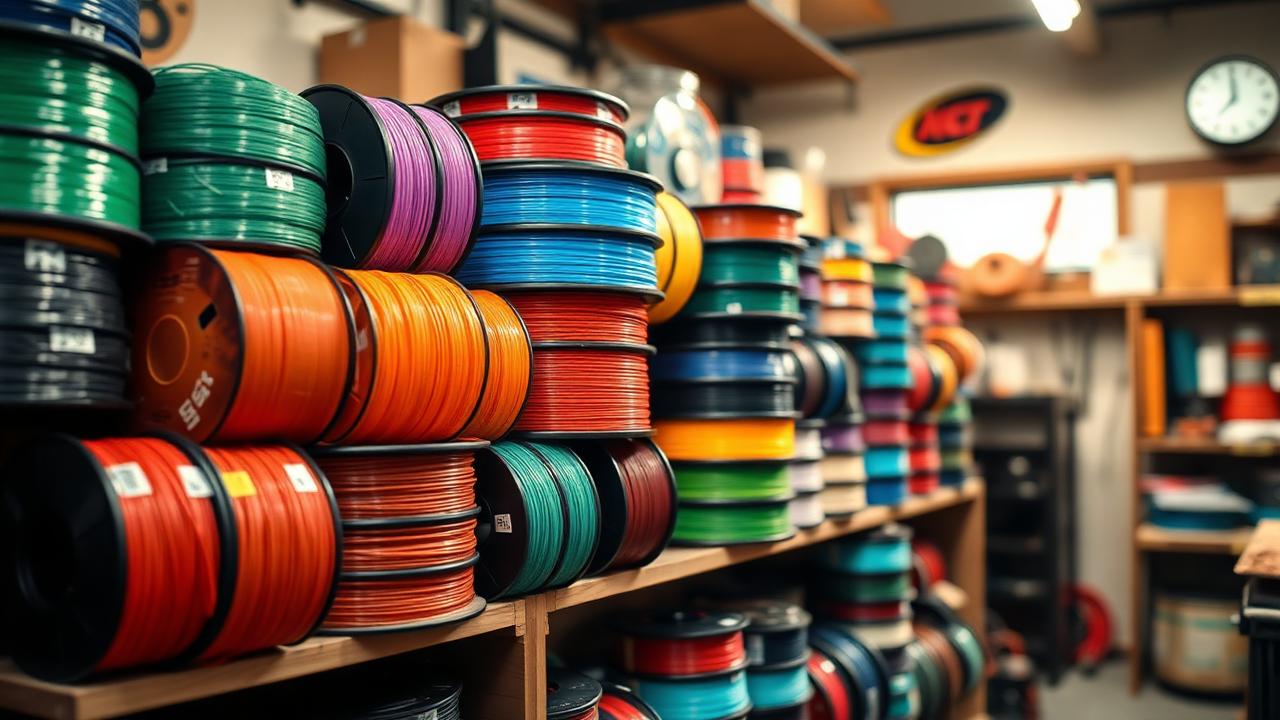
Bulk filament is the most common way hobbyists reduce their running costs, and also the most common way they end up with a shelf of spools they never print. This guide is about the decision rather than any specific offer: whether bulk suits how you print, which materials survive being bought in quantity, and what a cheap listing has to show before it is worth considering. Prices and promotions change constantly, so no current prices are quoted here.
What is Bulk filament?
Bulk filament Filament sold as a multi-spool pack or a large single spool, priced lower per kilogram than an equivalent single standard spool.
Why Buying in Bulk Lowers Cost
Three mechanisms, in rough order of how much they matter:
- Shipping consolidation. Filament is heavy. One shipment of several spools usually costs far less than several separate shipments, and on some orders this outweighs the per-spool discount entirely.
- Lower per-spool pricing. Multi-spool packs are normally priced below the same spools bought one at a time, though the size of the gap varies by brand and pack.
- Batch consistency. Spools bought together often come from the same production batch, so settings that work on the first spool tend to work on the rest — fewer test prints, less wasted material.
Who Should Buy Bulk — and Who Should Not
Bulk makes sense
- You print regularly and mostly in one or two materials
- Your printer is already tuned and reliable
- You have dry, sealed storage space
- You sell prints or run small production batches
- You reprint the same colours repeatedly
Buy single spools instead
- You print occasionally or seasonally
- Your printer is new and not yet dialled in
- You have nowhere dry to keep spools
- You are trying a material for the first time
- You want many colours rather than volume
The Biggest Mistake With Cheap Filament
The mistake is treating price per kilogram as the whole picture. A spool that jams, snaps in the feed path or varies in diameter turns into failed prints, and a failed print costs the filament it consumed plus the hours of machine time. The practical defence is simple: buy a single spool of an unfamiliar brand before buying ten, and never buy a bulk listing that will not tell you the brand, the material line or the diameter tolerance.
A second, quieter mistake is buying more than you will print. Filament degrades in open air, so the per-kilogram price you were pleased with is not the price you actually paid if two spools print badly a year later.
Complete 3D Printer Filament Guide
What each material is good for, and the settings each one needs.
Which Materials Are Safe to Stock Up On
- PLA — the default bulk buy. Prints on any FDM machine with standard settings, tolerates storage better than most, and covers the majority of hobby printing. If you buy one material in quantity, buy this.
- PETG — bulk after tuning. Tougher and more heat-resistant than PLA, but more sensitive to moisture and fussier about retraction and temperature. Worth stocking once your profile is stable. Our PLA vs PETG comparison covers the trade-off.
- Specialty PLA (silk, wood, matte). Buy in small quantities. These are aesthetic choices, and taste changes faster than a bulk pack runs out. See the silk PLA guide.
- TPU. Prints slowly and needs a suitable extruder path. Bulk only if flexible parts are a regular part of your work — the TPU guide explains the requirements.
- ABS, ASA, nylon. Enclosure and drying territory. Buy a spool, prove the workflow, then consider quantity.
What to Check on a Cheap Bulk Listing
- Brand and material line are named, not just "PLA 1.75mm".
- Diameter tolerance is published.
- Stated weight is filament weight, not gross weight including the spool.
- Spools are vacuum-sealed with desiccant.
- Shipping cost and delivery estimate are shown before checkout.
- The returns policy covers the full order, not one spool.
- Colours and quantities match what you will actually print.
For the arithmetic side of the comparison — effective cost per spool and per kilogram — see our guide to evaluating 3D printing deals.
Storage Is Part of the Price
Bulk buying only pays off if the last spool prints as well as the first. Sealed containers with desiccant are the minimum; a dryer is useful insurance for PETG and nylon. Budget for storage when you compare a large pack against a small one, because it is a real cost of the larger purchase.
Best Filament Storage Container
Keeping bulk spools dry so the last one prints like the first.
Where to Buy in the US
Manufacturer stores, large marketplaces and specialist retailers all sell multi-spool packs, and which is cheapest on any given day depends on current pricing and shipping. Rather than naming a permanent winner, compare the same configuration across two or three sources using the delivered total, and check stock and return terms before ordering.
Affiliate disclosure: some links above are affiliate links. If you buy through them, 3D Print Geek may earn a commission at no additional cost to you.
Frequently Asked Questions
Is cheap filament worth buying in bulk?
It is worth buying in bulk when the filament comes from a named brand with a published diameter tolerance, when you will print it within a reasonable time, and when you can store the surplus sealed. Unbranded bulk with no tolerance figure and no returns process is where cheap filament usually costs more than it saves, because failed prints consume both material and time.
Which filament is safest to buy in bulk?
PLA. It prints on essentially any desktop FDM printer with default settings, it is the most forgiving of storage, and most hobby printing uses it. PETG is a reasonable second once your printer is tuned for it. ABS, ASA and nylon should only be bought in quantity by people already printing them regularly with an enclosure and drying.
Who should not buy filament in bulk?
Anyone printing occasionally, anyone who has not yet dialled in their printer, anyone without dry storage space, and anyone buying a material they have never printed. In all four cases a single spool answers the question more cheaply than a pallet of it.
How long does filament last in storage?
Unopened, vacuum-sealed spools with desiccant keep well for a long time. Once opened and left in room air, PLA and especially PETG gradually absorb moisture, which shows up as stringing, popping during extrusion and weaker layer bonding. Sealed containers with fresh desiccant, or a filament dryer for recovery, are what make bulk buying practical.
Does buying more spools always lower the price per kilogram?
No. Larger packs usually price lower per kilogram, but shipping, tax and the spool weight quoted in the listing can reverse the ranking. Compare offers on the delivered total divided by the actual filament weight rather than on the advertised per-spool figure.
Final Thoughts
Cheap filament in bulk is a good decision for people who print consistently, know their machine and have somewhere dry to put the spools. For everyone else, a couple of spools of a known brand costs less in the end than a large pack bought on price alone. Decide the quantity from your usage, filter the listings on the quality floor, and only then compare the delivered totals.
Two ways to buy
Sovol and Polymaker are separate manufacturers, each selling their own multi-spool packs. Compare the delivered cost per kilogram at both.
Both links are affiliate links. We may earn a commission on a qualifying purchase, at no additional cost to you.