Quick Answer
Polymaker PolyMax PLA is the strongest all-round PLA+ pick. Polymaker rates it at up to 9x the impact resistance of standard PLA while keeping PLA's easy printability. If you want to spend less, Overture PLA Pro covers most functional needs at a lower price position — compare current pricing before ordering.
What is PLA+ Filament?
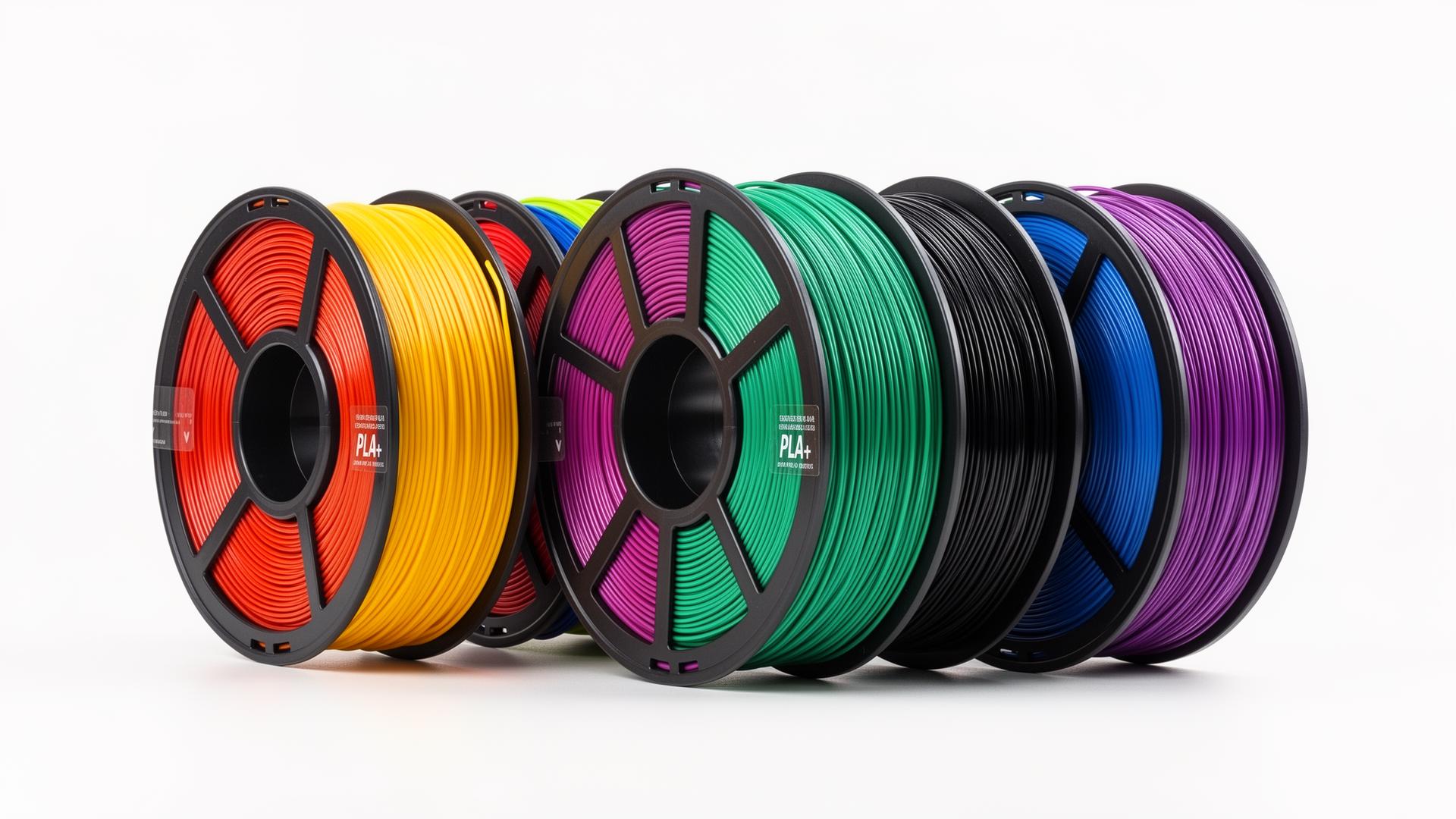
PLA+ (also known as PLA Pro, PLA Plus, or Tough PLA) is an enhanced version of standard PLA that offers significantly improved mechanical properties. Through proprietary additives and modified polymer chains, PLA+ provides better impact resistance, layer adhesion, and overall durability.
The best PLA+ filament options now use formulations that rival PETG for functional parts while retaining PLA's easy printability. Whether you're making tool handles, mechanical parts, or durable prototypes, PLA+ is a sensible default. Availability, pricing and shipping vary by seller, so check those at checkout.
TL;DR — Quick Summary
Polymaker PolyMax PLA is the strongest all-round PLA+ pick.
- 1Best Overall: Polymaker PolyMax PLA
- 2Best Value: Overture PLA Pro
- 3Budget Pick: SUNLU PLA+
- 4Key Benefit: 3-9x impact resistance of standard PLA
What is PLA+?
PLA+ An enhanced version of PLA (Polylactic Acid) modified with impact modifiers and additives to increase toughness, layer adhesion, and heat resistance. Also called PLA Pro, Tough PLA, or PLA Plus.
Tough PLA vs PETG Comparison
Not sure whether to choose PLA+ or PETG? Our detailed comparison helps you decide based on your specific project needs.
Top 5 PLA+ Filaments

1. Polymaker PolyMax PLA
PremiumPolymaker PolyMax PLA is the gold standard for PLA+ filaments. It offers 9x the impact resistance of regular PLA while maintaining easy printability. Perfect for functional parts and prototypes.
Pros
- 9x impact resistance of PLA
- Excellent layer adhesion
- Low warping
- Engineering-grade strength
- Widely stocked
Cons
- Usually the most expensive option here
- Requires dry storage
Specifications
2. Overture PLA Pro
Mid-rangeOverture PLA Pro delivers most of the practical benefit of premium PLA+ at a lower position in the market. Spools are commonly bundled with a build surface, and results are consistent enough for functional prints.
Pros
- Great value
- Build surface included
- Consistent quality
- Good strength
Cons
- Less impact resistant than PolyMax
- Limited colors
Specifications
3. eSUN PLA+
Budget-orientedeSUN PLA+ offers excellent value with improved toughness over standard PLA. Available in dozens of colors, it's perfect for functional prints on a budget.
Pros
- Budget-friendly
- Wide color selection
- Good toughness
- Easy printing
Cons
- Slightly more stringing
- Needs tuning
Specifications
4. Prusament PLA
PremiumPrusament PLA offers the tightest diameter tolerances in the industry (±0.02mm). While not marketed as PLA+, its enhanced formulation provides superior mechanical properties.
Pros
- Exceptional consistency
- Tight tolerances
- Beautiful finish
- Engineering quality
Cons
- Limited availability
- Positioned at the premium end
Specifications
5. SUNLU PLA+
Budget-orientedSUNLU PLA+ is the budget-oriented choice, offering improved strength over standard PLA. Suited to people who print frequently and need functional parts without paying premium spool prices.
Pros
- Most affordable
- Vacuum sealed
- Decent strength
- Good color range
Cons
- Lower impact resistance
- Occasional inconsistencies
Specifications
Complete Filament Guide
Explore our comprehensive guide covering all filament types including PLA, PETG, ABS, TPU, and specialty materials.
Optimal Print Settings for PLA+
PLA+ prints similarly to standard PLA but benefits from slightly higher temperatures to maximize layer adhesion and strength:
Recommended Settings
Temperature
- • Nozzle: 205-225°C
- • Bed: 50-60°C
- • Enclosure: Not required
Speed & Cooling
- • Print Speed: 50-80mm/s
- • Part Cooling: 100% after layer 2
- • Retraction: Same as PLA
What's the Difference Between PLA and PLA+?
| Property | Standard PLA | PLA+ |
|---|---|---|
| Impact Resistance | Low (brittle) | High (3-9x better) |
| Layer Adhesion | Good | Excellent |
| Heat Resistance | ~55°C | ~60-65°C |
| Print Temperature | 190-210°C | 205-225°C |
| Typical Cost Position | Baseline | Usually a step above standard PLA |
Frequently Asked Questions
What's the difference between PLA and PLA+?
PLA+ (also called PLA Pro or Tough PLA) has enhanced impact resistance, better layer adhesion, and improved heat resistance compared to standard PLA. It's modified with additives that make it 3-9x more impact resistant while maintaining easy printability.
Is PLA+ stronger than PETG?
Premium PLA+ like Polymaker PolyMax has comparable impact resistance to PETG, but PETG still has better heat resistance (80°C vs 60°C) and chemical resistance. PLA+ is easier to print and has less stringing than PETG.
What temperature should I print PLA+ at?
Most PLA+ filaments print best between 205-225°C for the nozzle and 50-60°C for the bed. This is slightly higher than standard PLA (190-210°C). Check your specific brand's recommendations as they vary.
Can PLA+ be used outdoors?
PLA+ is not recommended for long-term outdoor use. While more durable than standard PLA, it still degrades under UV exposure and can warp in temperatures above 60°C. For outdoor applications, use ASA or PETG instead.
Is PLA+ food safe?
PLA+ is not certified food safe due to the additives used to enhance its properties. The layer lines in FDM prints also harbor bacteria. For food-safe applications, use food-grade PETG with food-safe coatings.
Polymaker Filament Guide
Learn more about Polymaker's complete filament lineup including PolyMax, PolyLite, and PolyTerra.
Conclusion: Which PLA+ Should You Buy?
For maximum strength and durability, Polymaker PolyMax PLA is the clear winner. Its 9x impact resistance improvement over standard PLA makes it ideal for functional parts and prototypes.
For best value, Overture PLA Pro delivers impressive strength at a lower price position. And on a tight budget, SUNLU PLA+ still offers solid improvements over standard PLA. Compare the current checkout price, spool weight and shipping cost before ordering — this guide does not track live pricing or stock.
Last Updated: January 13, 2025


