PLA vs PETG (Which One Should You Actually Use?)
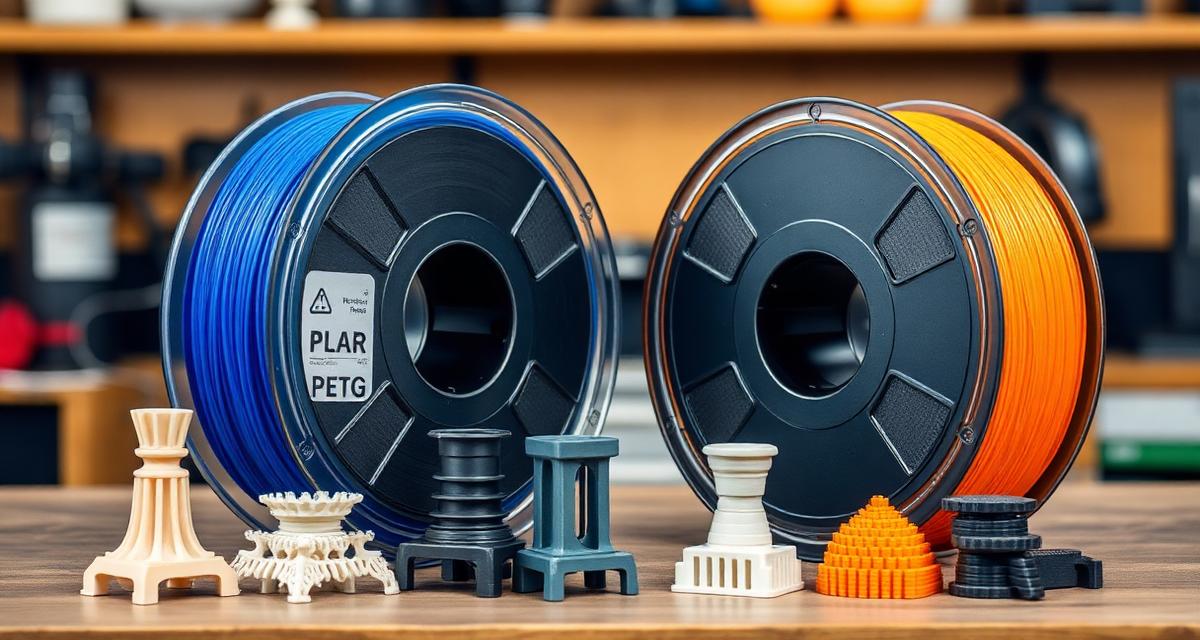
Quick Answer
For most 3D printing projects, PLA is the better choice — it's easier to print, looks great, and works for the vast majority of hobbyist use cases. Choose PETG when you specifically need strength, heat resistance, or outdoor durability. Start with PLA, graduate to PETG when your projects demand it.
TL;DR — Quick Summary
PLA vs PETG — Key Takeaways
- 1Best for Beginners: PLA is easier to print and more forgiving
- 2Best for Strength: PETG is stronger and more heat-resistant — but harder to dial in
- 3Recommendation: Start with PLA, switch to PETG for functional parts later
- 4Quality Matters: Both are affordable — quality matters more than material type
Choosing between PLA and PETG can be confusing because neither is universally better. This comparison focuses on the properties and tradeoffs that matter for common projects.
If you're just getting into 3D printing, read this first: Best 3D Printer for Beginners (2025). It'll help you make sure your setup is right before worrying about filament.
What is PLA (Polylactic Acid)?
PLA (Polylactic Acid) A biodegradable thermoplastic made from renewable resources like corn starch. It's the most popular 3D printing filament because it prints at low temperatures, rarely warps, and produces great-looking results with minimal effort.
What is PETG (Polyethylene Terephthalate Glycol-modified)?
PETG (Polyethylene Terephthalate Glycol-modified) A strong, semi-flexible filament with excellent layer adhesion and chemical resistance. It bridges the gap between easy-to-print PLA and tough engineering plastics like ABS.
What PLA Is (And When It Makes Sense)
PLA is the go-to filament for 3D printing, and there's a good reason for that. It prints at relatively low temperatures (190–220°C), doesn't need a heated bed (though it helps), and almost never warps. For decorative prints, prototypes, cosplay pieces, and anything that doesn't need to handle real mechanical stress, PLA just works.
PLA is generally easier to tune than PETG and commonly produces a cleaner surface finish with less stringing under comparable conditions.
For a criteria-based comparison of leading PLA brands, see: Best PLA Filament for 3D Printing (2025).
What PETG Is (And When It Makes Sense)
PETG is what you reach for when PLA isn't tough enough. It's significantly stronger, more flexible, and more heat-resistant than PLA. That means it won't warp or soften in a hot car, and it can handle mechanical loads that would crack PLA.
The tradeoff? PETG is pickier to print. It strings more, requires slightly higher temperatures (230–250°C), and can be fussy about bed adhesion. It's not hard once you've dialed it in — but if you're on your first week of 3D printing, it's going to frustrate you.
For top PETG picks, check out Best PETG Filament (2025).
Practical Differences When Printing Both
PLA profiles cannot simply be reused for PETG. PETG typically needs higher nozzle and bed temperatures plus material-specific retraction and first-layer settings; otherwise stringing and adhesion problems are common.
PETG makes the most sense when a project needs additional durability, heat resistance, or outdoor tolerance. For shelf or desk pieces, PLA is usually simpler and provides a cleaner finish.
If you're struggling with print quality on either material, this will help: Why Your 3D Prints Look Rough (And How to Fix It).
PLA vs PETG — Side-by-Side Comparison
PLA vs PETG — Head to Head
PLA
Best for: Beginners, decorative prints, prototypes, and anything that doesn't need mechanical strength
PETG
Best for: Functional parts, mechanical brackets, outdoor use, and anything needing real durability
For most people, PLA is the right choice. It's easier, more forgiving, and produces beautiful prints. Switch to PETG only when your project specifically needs strength, heat resistance, or outdoor durability. Don't overcomplicate it.
| Feature | PLA | PETG |
|---|---|---|
| Ease of Use | Very Easy | Moderate |
| Strength | Lower | Higher |
| Surface Finish | Excellent | Good |
| Warping | Very Low | Low–Medium |
| Stringing | Minimal | Moderate |
| Heat Resistance | ~60°C | ~80°C |
| Print Temp | 190–220°C | 230–250°C |
| Best For | Decorative, prototypes | Functional, outdoor |
When You Should Use PLA
- You're a beginner — PLA is the most forgiving filament. Period. You'll get successful prints faster and learn the basics without fighting your material.
- You want great-looking prints — PLA produces the cleanest surface finish with the least effort. Matte, silk, wood-fill, marble — the specialty options are endless.
- You're printing prototypes — Fast iteration? PLA is cheaper and prints quicker.
- Indoor display pieces — Figurines, models, organizers, anything that lives indoors.
When You Should Use PETG
- Functional parts — Brackets, clips, holders, or anything under mechanical stress.
- Outdoor use — PETG handles UV and weather much better than PLA.
- Heat exposure — Parts near heat sources, in cars, or in direct sunlight.
- Flexibility needed — PETG has some give before it snaps, unlike brittle PLA.
Need real strength? Read this next
Editorial picks for filaments suited to brackets, jigs, and other load-bearing parts.
Dial in your temps before blaming the filament
Recommended starting temperatures for PLA, PETG, ABS, and TPU, plus a systematic tuning process.
Biggest Mistakes People Make Choosing Between These
The most common mistake is beginners jumping straight to PETG because they read it's "stronger." Yes, it is — but you don't need stronger for most projects. You need prints that work on the first try. PLA gives you that.
The #2 mistake is using cheap filament for either material. Budget PLA that's poorly wound will jam your printer. Cheap PETG with inconsistent diameter will string like crazy. Spend an extra few dollars per spool on a quality brand like Polymaker or Hatchbox — you'll waste less filament and time.
For more on filament types and what works best, check out the Complete Filament Types and Uses Guide.
Recommended Approach (Keep It Simple)
Start with PLA. Get comfortable with your printer. Learn bed leveling, temperature tuning, and how to troubleshoot basic issues. Then — only when you have a specific project that needs it — try PETG.
This sequence keeps the learning curve manageable. Most beginner projects work well in PLA, so there is no need to add PETG complexity until a project requires it.
Recommended Starting Setup
A direct-drive printer with a PEI bed, such as the Sovol SV06, is suitable for both materials. Start near the filament manufacturer's recommended range; PETG commonly begins around 240°C at the nozzle and 80°C at the bed, then requires tuning for the specific spool and machine.
Polymaker PolyTerra PLA is an editorial everyday-PLA pick, while Polymaker PolyLite PETG is an option when extra strength is required. Compare current specifications and price before choosing.
👉 Check Sovol printer deals — great starter rigs for PLA and PETG
Shop Sovol PrintersIf you're having first-layer trouble with either material, this will help: Why Your First Layer Fails (And How to Fix It).
If You're Just Starting, Do This First
If you're new to 3D printing, don't stress about PLA vs PETG yet. Get a reliable printer, grab a spool of good PLA, and start printing. You'll learn more from your first 10 prints than from reading a hundred comparisons.
Here are the best beginner-friendly setups: Best 3D Printer for Beginners (2025).
Final Verdict — Which One to Choose
For most projects, PLA is the better default choice. It's reliable, it looks great, and it's affordable. PETG remains a solid second option for specific jobs that need extra strength or durability.
Don't let the PLA vs PETG debate paralyze you. Pick PLA, start printing, and upgrade to PETG when your projects demand it. That's the simplest, most effective path forward.
👉 Ready to start printing? Check Sovol's beginner-friendly printers
Shop Sovol PrintersAffiliate Disclosure: Some links in this article are affiliate links. If you purchase through them, we may earn a small commission at no extra cost to you. Recommendations are editorial judgments based on the criteria explained in this guide.
Frequently Asked Questions
Is PETG better than PLA?
PETG is stronger and more heat-resistant, but it's not "better" for most use cases. PLA is easier to print, produces a better surface finish, and works perfectly for decorative and prototyping projects. PETG is the better choice only when you specifically need durability, flexibility, or outdoor resistance.
Which filament is easier to print?
PLA is significantly easier. It prints at lower temperatures, rarely warps, and produces minimal stringing. If you're new to 3D printing, PLA is the way to go. You'll spend less time troubleshooting and more time making things.
Should beginners use PETG?
Not right away. Start with PLA to learn the fundamentals — bed leveling, temperature tuning, and retraction settings. Once you're getting consistent prints and have a project that needs extra strength, PETG is a natural next step.
Related Articles
Best PLA Filament (2025)
Top PLA picks compared for quality and value
Best PETG Filament (2025)
Top PETG filaments for strength and durability
Filament Types and Uses Guide
Complete guide to every filament type
Best Filament for Beginners
Simple picks for new 3D printer owners