Best PLA Filament for High Speed Printing: Buying Guide
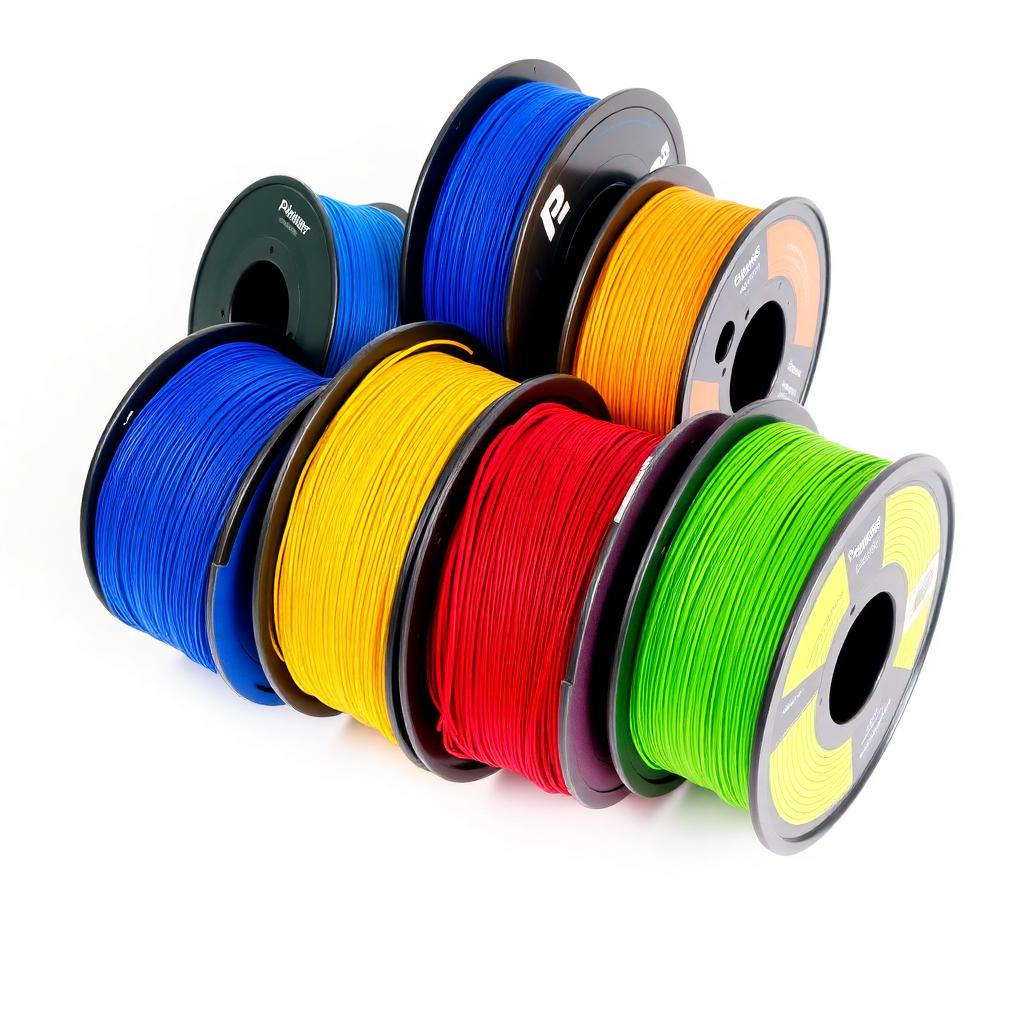
High-speed 3D printing has revolutionized the maker space, but not all PLA filaments can keep up with print speeds of 300mm/s and beyond. If you've invested in a high-speed printer but are getting poor results, your filament might be the bottleneck. This guide compares high-speed PLA options by their stated speed ranges, flow rates and specifications. It does not track current prices or stock — check those with the seller before ordering.
The demand for faster printing without sacrificing quality has pushed filament manufacturers to develop specialized formulations. Regular PLA simply wasn't designed for the flow rates required at 400-600mm/s speeds. This guide breaks down which PLA filaments are built for high-speed printing, what makes them different, and how to configure a slicer to get the most out of them.
Why High-Speed PLA is Different from Regular PLA
When you're printing at 300mm/s or faster, the filament needs to melt and flow much more quickly through the hotend. Standard PLA formulations have a melt flow rate optimized for 50-100mm/s printing speeds. At high speeds, several critical factors come into play:
- Flow Rate Requirements: High-speed printing demands volumetric flow rates of 20-35mm³/s, compared to 5-10mm³/s for standard printing. The filament must melt completely in a fraction of the time.
- Layer Adhesion at Speed: Each layer gets less time to bond with the previous one. High-speed PLA formulations have modified polymer chains that bond faster at elevated temperatures.
- Dimensional Stability: At high acceleration and speeds, any inconsistency in filament diameter or flow characteristics gets amplified. Premium high-speed filaments maintain tighter tolerances (±0.02mm vs ±0.05mm).
- Cooling Efficiency: The part cooling system needs to work harder. High-speed PLA is formulated to set quickly under fan cooling while maintaining strong layer bonds.
The difference isn't just marketing. High-speed PLA undergoes different polymer processing with additives that improve melt flow index and thermal stability. This allows the material to handle the thermal stress of rapid heating and extrusion without degrading or clogging the nozzle.
Complete Filaments Guide
If you're looking to maximize your high-speed printer's potential, check out our complete filament buying guide
Top PLA Filaments for High-Speed Printing (Ranked)
Quick Comparison: High-Speed PLA Filaments
| Filament | Best For | Max Speed | Flow Rate | Cost Tier |
|---|---|---|---|---|
| Polymaker PolyLite PLA Pro | Best Overall | 600mm/s | 35mm³/s | Premium |
| Polymaker PolyTerra PLA | Best Budget | 400mm/s | 28mm³/s | Mid-range |
| Bambu Lab PLA Basic | Bambu Printers | 500mm/s | 32mm³/s | Mid-range |
| eSUN PLA+ HS | Value Pick | 350mm/s | 25mm³/s | Budget-oriented |
| Sunlu High Speed PLA | Budget Entry | 300mm/s | 22mm³/s | Budget-oriented |
Polymaker PolyLite PLA Pro - Best Overall
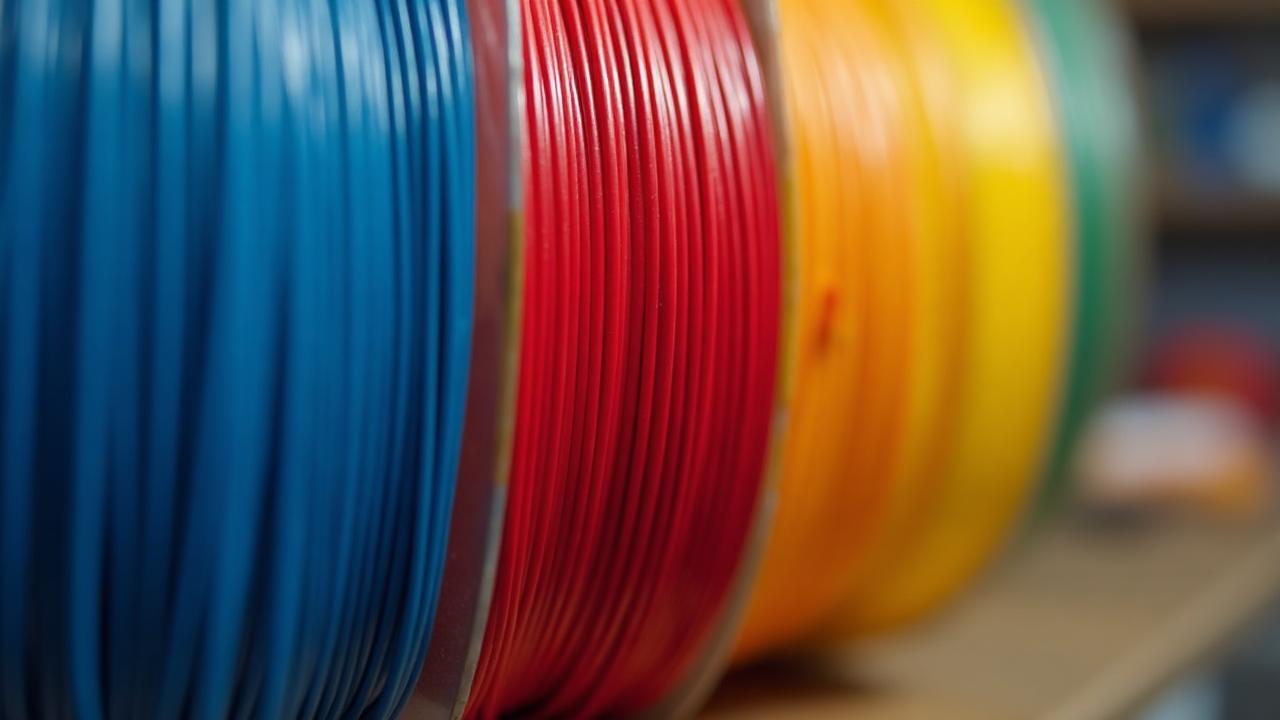
Rated Speed: up to 600mm/s | Flow Rate: up to 35mm³/s | Cost Tier: Premium
PolyLite PLA Pro is the reference point for high-speed PLA. Polymaker rates it for print speeds up to 600mm/s and volumetric flow up to roughly 35mm³/s, which is the specification that actually matters once a CoreXY machine is running accelerations in the 15,000mm/s² range: if the material cannot melt fast enough, layer adhesion collapses before the motion system does.
What sets PolyLite PLA Pro apart is its wide processing window. A published range of roughly 220-240°C gives you room to raise temperature as you raise speed, which is exactly the adjustment high-speed printing demands. That tolerance makes it forgiving for anyone moving up from standard speeds, while leaving headroom for tuned setups.
The formulation is designed to hold interlayer adhesion even under aggressive cooling, which matters because 300mm/s+ printing normally runs the part fan at full speed. Polymaker also specifies a tight ±0.02mm diameter tolerance, and consistent diameter is what keeps extrusion pressure stable when the extruder is being asked for a lot of material very quickly.
Best for: Anyone serious about high-speed printing who wants reliable, predictable results across a wide range of speeds and temperatures.
Buy PolyLite PLA ProPolymaker PolyTerra PLA - Best Budget High-Speed Option
Rated Speed: up to 400mm/s | Flow Rate: up to 28mm³/s | Cost Tier: Mid-range
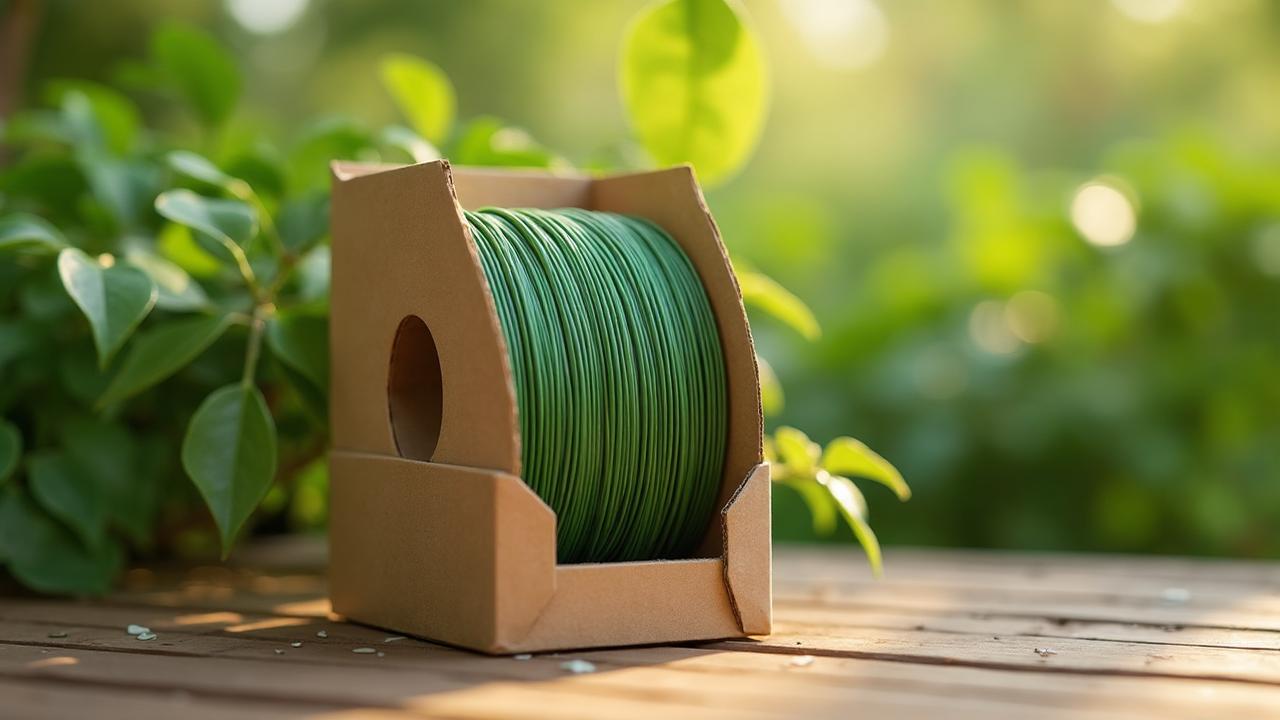
Don't let the eco-friendly marketing fool you—PolyTerra PLA punches well above its weight class for high-speed printing. While it's marketed as an environmentally conscious filament (with recycled cardboard spools and reduced plastic packaging), it handles speeds up to 400mm/s remarkably well.
At 300-350mm/s, PolyTerra produces prints that are nearly indistinguishable from more expensive high-speed filaments. The matte finish is particularly attractive for functional parts and miniatures. Layer adhesion is strong, and the filament flows smoothly without pressure fluctuations that can cause artifacts.
The limitation appears around 450mm/s, where you'll start seeing slightly rougher surface finish and occasional minor stringing. But for most users printing at 250-350mm/s—which is already 3-5x faster than standard speeds—PolyTerra offers exceptional value.
Best for: Budget-conscious makers who want good high-speed performance at 300-400mm/s without paying premium prices.
Buy PolyTerra PLABambu Lab PLA Basic - Best for Bambu Printers
Rated Speed: up to 500mm/s | Flow Rate: up to 32mm³/s | Cost Tier: Mid-range
If you own a Bambu Lab printer (X1C, P1P, P1S, A1), their in-house PLA Basic filament is optimized specifically for their ecosystem. The printer profiles are perfectly tuned, and the RFID tags enable automatic slicer configuration—you literally load the filament and start printing at 500mm/s with zero profile tweaking.
The practical advantage is that the tuning work is already done: Bambu publishes profiles for this filament at its rated speeds, flow calibration runs automatically, and AMS feeding behaviour is validated against the same spool geometry. That removes most of the variables that cause high-speed failures on a mixed setup.
On non-Bambu printers, this filament still performs well but loses the convenience factor that makes it special. You'll need to dial in your own profiles, and you won't get the RFID auto-detection. At that point, PolyLite PLA Pro offers similar performance with broader compatibility.
Best for: Bambu Lab printer owners who want plug-and-play high-speed printing with perfect profile matching.
eSUN PLA+ - Best Value Performance
Rated Speed: up to 350mm/s | Flow Rate: up to 25mm³/s | Cost Tier: Budget-oriented
eSUN PLA+ has been a community favorite for years, and while it wasn't specifically designed for high-speed printing, it handles moderate speed increases better than many "standard" PLAs. At 300-350mm/s, it produces decent results, though you'll need to bump temperatures to 225-230°C for optimal flow.
The main advantage is mechanical strength—eSUN PLA+ produces noticeably stronger parts than regular PLA, making it good for functional prints that need both speed and durability. The glossy finish looks great on display pieces, and color options are extensive.
However, beyond 350mm/s, quality degrades more rapidly than the top three filaments. You'll see increased stringing, rough layer lines, and potential layer adhesion issues. It's best thought of as a "medium-speed" upgrade from standard PLA rather than a true high-speed filament.
Best for: Users who want stronger parts at moderate speed increases (250-350mm/s) and prioritize mechanical properties.
Polymaker Complete Guide
Learn more about different Polymaker PLA types and their specific characteristics
High-Speed PLA Filament Comparison Table
| Filament | Max Speed | Flow Rate | Cost Tier | Quality at Speed |
|---|---|---|---|---|
| PolyLite PLA Pro | 600mm/s | 35mm³/s | Premium | ⭐⭐⭐⭐⭐ Excellent |
| PolyTerra PLA | 400mm/s | 28mm³/s | Mid-range | ⭐⭐⭐⭐ Very Good |
| Bambu PLA Basic | 500mm/s | 32mm³/s | Mid-range | ⭐⭐⭐⭐⭐ Excellent* |
| eSUN PLA+ | 350mm/s | 25mm³/s | Budget-oriented | ⭐⭐⭐⭐ Good |
*Bambu PLA Basic achieves "Excellent" rating specifically on Bambu Lab printers with auto-tuned profiles. On other printers, performance drops to "Very Good."
What to Look for in High-Speed PLA Filament
When shopping for high-speed PLA, don't just take marketing claims at face value. Here are the specific characteristics that matter:
1. Melt Flow Rate (MFR) and Viscosity
High-speed PLA should have a higher melt flow rate than standard PLA. While manufacturers rarely publish exact MFR values, look for language like "high-flow," "fast melting," or "optimized for speeds above 300mm/s." These indicate polymer modifications that improve flow characteristics.
2. Diameter Tolerance
Premium filaments maintain ±0.02mm tolerance vs ±0.05mm for budget options. At high speeds, even small diameter variations cause pressure fluctuations that create visible artifacts. Polymaker and Bambu Lab filaments consistently hit tight tolerances, which contributes to their excellent high-speed performance.
3. Temperature Window
A wide processing temperature range (ideally 20°C+) gives you flexibility to dial in perfect settings for your specific printer and speed. PolyLite PLA Pro's 220-240°C range allows optimization for different hotend types and flow rates.
4. Layer Adhesion Properties
High-speed filaments use modified formulations that bond quickly. Test this by printing a small bridge or overhang test at your target speed—good high-speed PLA should show minimal layer separation even with aggressive part cooling.
5. Community Testing and Reviews
Check reviews from users running the same printer model and speeds you're targeting. Filament performance can vary significantly between different hotend designs, and real-world testing beats marketing materials every time.
Best High-Speed Printers 2025
Considering upgrading to a high-speed printer? See our comparison of the fastest printers available
Optimal Print Settings for High-Speed PLA
Even the best high-speed filament won't perform well with incorrect settings. Here's how to configure your slicer for optimal results:
Temperature Settings
- Nozzle Temperature: Start 10-20°C hotter than standard PLA settings. For 300mm/s+, try 220-230°C initially, then increase if you see poor layer adhesion.
- Bed Temperature: 60°C is usually sufficient. Higher temps (65-70°C) can help with first layer adhesion but may cause excessive warping on large prints.
- Temperature Tower Testing: Run a temperature tower at your target speed to find the sweet spot for your specific setup.
Speed and Acceleration
- Print Speed: Start at 300mm/s for outer walls and 400mm/s for infill. Gradually increase in 50mm/s increments while monitoring quality.
- Acceleration: 10,000-15,000mm/s² for CoreXY printers; 3,000-5,000mm/s² for bed-slingers. Higher acceleration lets you reach target speeds faster on short segments.
- Jerk Settings: Disable if using Klipper; set to 8-10mm/s if using Marlin firmware.
Cooling and Flow
- Part Cooling: 100% fan speed for layers above the first 2-3 layers. High-speed printing generates significant heat that needs aggressive cooling.
- Flow Rate: Start at 100% and adjust based on calibration prints. Some high-speed filaments may need 102-105% flow to compensate for reduced melt time.
- Minimum Layer Time: Set to 3-5 seconds to prevent overheating on small features.
Retraction Tuning
- Direct Drive: 0.5-1.0mm retraction distance at 40-60mm/s speed
- Bowden: 4-6mm retraction distance at 40-60mm/s speed
- Z-hop: Enable 0.2mm z-hop during travel to prevent nozzle dragging, which is more likely at high accelerations.
💡 Pro Tip: Pressure Advance Calibration
If you're using Klipper firmware, properly calibrated Pressure Advance (typically 0.04-0.06 for high-speed PLA in direct drive) is critical for eliminating bulging at corners and maintaining dimensional accuracy at high speeds. This single setting can make more difference than any temperature or speed adjustment.
Frequently Asked Questions
What PLA filament works best for high-speed 3D printing?
Polymaker PolyLite PLA Pro is the best overall choice for high-speed printing, handling speeds up to 600mm/s with excellent layer adhesion and minimal stringing. It offers superior flow characteristics and maintains quality at speeds where regular PLA would fail. For budget-conscious users, PolyTerra PLA performs exceptionally well up to 400mm/s.
Can regular PLA handle 300mm/s print speeds?
Standard PLA typically struggles at 300mm/s and above, showing poor layer adhesion, increased stringing, and reduced print quality. High-speed optimized PLA formulations are engineered with improved flow rates and better thermal properties to handle these speeds. While you might get prints at 300mm/s with regular PLA, the quality will be significantly compromised compared to high-speed variants.
What temperature should I use for high-speed PLA printing?
For high-speed PLA printing, increase nozzle temperature by 10-20°C above standard settings. Most high-speed PLA filaments print best between 220-235°C when running at 300mm/s or faster. The increased temperature compensates for the reduced melt time as filament passes through the hotend more quickly. Start at 220°C and increase in 5°C increments if you notice poor layer adhesion.
Is Polymaker PolyLite good for high-speed printing?
Yes, Polymaker PolyLite PLA Pro is specifically formulated for high-speed printing and is one of the top performers in this category. It handles speeds up to 600mm/s, offers excellent layer adhesion at high flow rates, and maintains dimensional accuracy even when pushing speed limits. It's widely considered the gold standard for high-speed PLA printing among enthusiasts and professionals.
What's the difference between high-speed PLA and regular PLA?
High-speed PLA is formulated with modified rheological properties that allow better flow at elevated temperatures and speeds. It has improved melt flow index, better thermal stability, and enhanced layer bonding characteristics compared to regular PLA. These filaments also typically have tighter diameter tolerances and more consistent flow characteristics, which are critical when printing at 300mm/s or faster where any inconsistency is amplified.
Final Recommendation: Which High-Speed PLA Should You Buy?
Based on the criteria above — rated speed, flow rate, diameter tolerance, temperature window and printer compatibility — here is how the choice breaks down by user need:
For most users: Start with Polymaker PolyLite PLA Pro. The wide temperature window, consistent quality, and proven performance at extreme speeds make it the safest choice. It is typically positioned as a premium spool, so compare the current checkout price against the cheaper options before ordering.
If you're budget-conscious: PolyTerra PLA offers incredible value at 300-400mm/s speeds, which is already fast enough for most applications. It gives up top-end speed rather than everyday print quality, and the cardboard spool and reduced packaging are a bonus if that matters to you.
If you own Bambu Lab printers: Bambu PLA Basic is the obvious choice due to perfect profile integration and RFID convenience. The ecosystem benefits make it worth choosing over third-party filaments.
If mechanical strength matters most: eSUN PLA+ at moderate speeds (250-350mm/s) gives you the best combination of strength and reasonable speed increases for functional parts.
A Sensible Two-Spool Setup:
A practical approach for most workshops is to keep one premium high-speed spool such as PolyLite PLA Pro for parts where surface finish and dimensional accuracy matter, and a cheaper mid-range spool such as PolyTerra PLA for prototypes and test prints. That covers the majority of high-speed jobs without paying premium prices for throwaway parts.
Explore More Filament Guides
PolyTerra vs PolyLite PLA Comparison
Not sure which Polymaker PLA to choose? Compare the differences.
Best Filament for Large Prints
Printing large parts at high speed? Learn which filaments resist warping.
Ready to Experience High-Speed Printing?
Browse Polymaker's high-speed PLA lines and check the current pricing before you order.
Disclosure: This article contains affiliate links. When you purchase through these links, we may earn a commission at no additional cost to you. Recommendations are editorial judgments based on the criteria explained in this guide.