Best PEI Build Plate for 3D Printer 2025 — Top 5 Reviewed
A PEI build plate is the single best upgrade for any FDM 3D printer. The best PEI build plate in 2025 eliminates glue sticks, tape, and adhesion failures — prints stick perfectly when hot and pop off when cool. We reviewed the top five PEI sheets for every printer size and budget.
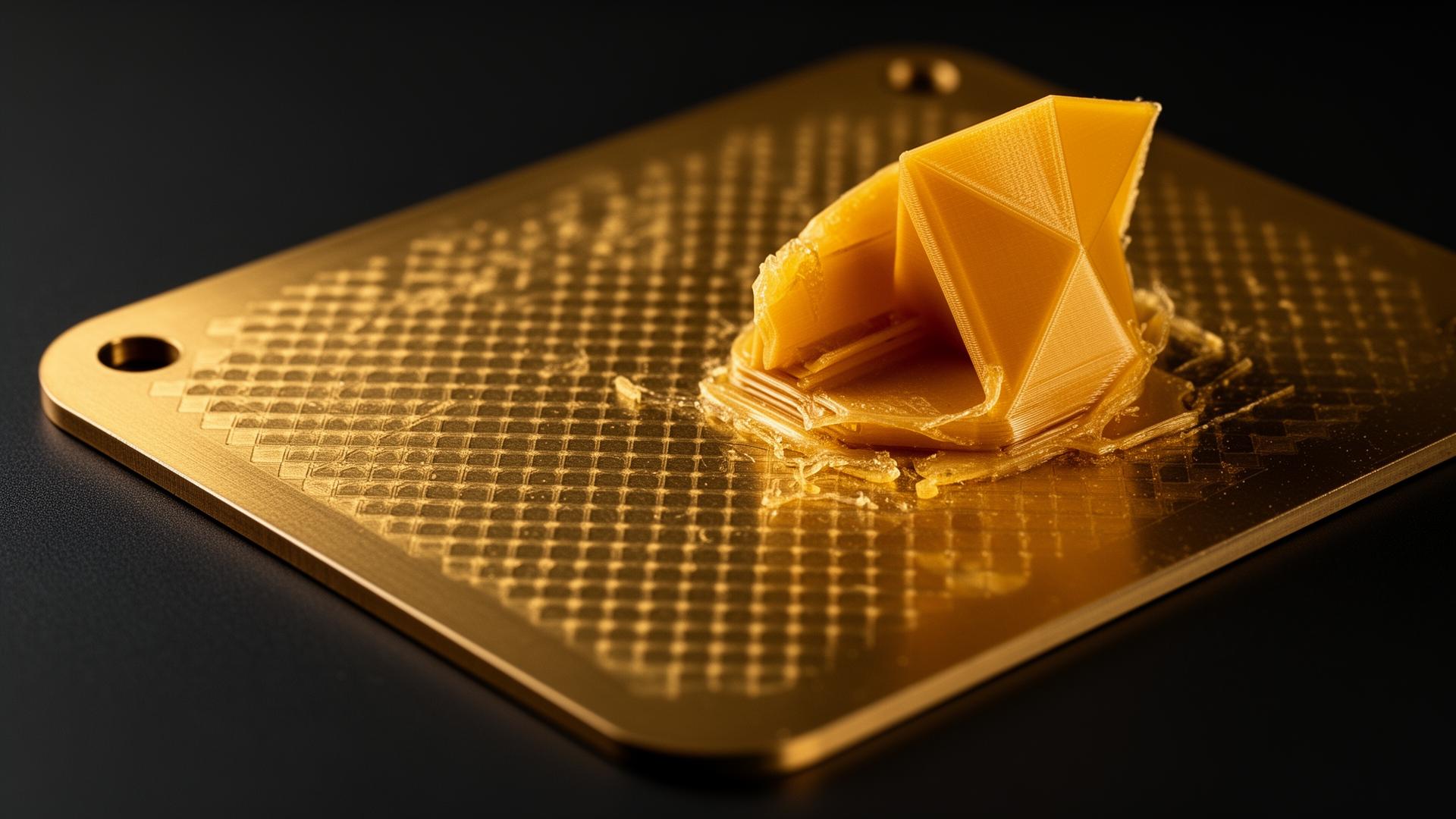
Quick Answer: What Is the Best PEI Build Plate?
The Energetic Smooth PEI Sheet is the best PEI build plate for most 3D printers in 2025. It delivers reliable adhesion for PLA and PETG on a flexible spring steel base. For users who want both smooth and textured surfaces, the FYSETC Double-Sided is the best value.
Pair your new PEI plate with quality filament
Polymaker filament is engineered for consistent bed adhesion on PEI — no adhesives needed.
TL;DR — Quick Summary
Here's what you need to know about PEI build plates before you buy:
- 1Best overall: Energetic Smooth PEI — reliable adhesion, fits all common printer sizes
- 2Best double-sided: FYSETC Dual PEI — textured + smooth surfaces in one plate
- 3Best budget: Creality PEI Plate — includes magnetic base, perfect for Ender printers
- 4Best for Sovol: Sovol PEI Build Plate — designed for SV06/SV07 series
- 5Best filament pairing: Shop Printer Parts at Sovol — engineered for PEI adhesion
What Is a PEI Build Plate?
PEI (Polyetherimide) is a high-performance thermoplastic sheet bonded to a spring steel plate. When heated, PEI creates a molecular bond with common filaments like PLA and PETG, providing strong adhesion during printing. When the plate cools, the bond releases and prints pop off cleanly — often with zero effort.
What is PEI (Polyetherimide)?
PEI (Polyetherimide) A high-temperature engineering thermoplastic used as a 3D printer build surface. PEI provides excellent adhesion when heated (50–100°C) and natural release when cooled. Available in smooth (glossy bottom finish) and textured (matte bottom finish) variants. PEI sheets are typically 0.2–0.4mm thick and bonded to a spring steel backing for magnetic attachment.
Best 3D Printing Bed Adhesive 2025
Still using adhesives? A PEI plate eliminates the need for glue sticks and sprays — but see our adhesive guide if you need extra hold for tricky materials.
What's the Difference Between Smooth and Textured PEI?
| Feature | Smooth PEI | Textured PEI |
|---|---|---|
| Bottom finish | Glossy, mirror-like | Matte, powder-coat pattern |
| Best for PLA | Excellent | Good |
| Best for PETG | Use glue stick | Easy release |
| Best for ABS | Good | Excellent |
| Adhesion strength | Very strong (sometimes too strong) | Moderate (easier release) |
| Maintenance | IPA wipe between prints | Less frequent cleaning needed |
Best Filament for Avoiding Warping on Large Prints
A PEI plate helps prevent warping — but some filaments are naturally more warp-resistant than others.
What Are the Best PEI Build Plates in 2025?
Here are the five best PEI build plates available right now, ranging from budget-friendly to premium options.
Energetic Smooth PEI Sheet
Approx. retail price
Sizes
235×235, 310×310, 350×350mm
Surface
Smooth PEI on spring steel
Best For
Best Overall
Key Features
- Magnetic flex plate system
- Smooth glossy bottom finish on prints
- Spring steel for easy print removal
- Available in all common printer sizes
✓ Pros
- Best adhesion for PLA and PETG
- Prints pop off when plate cools
- Affordable with excellent quality
- Works on Ender 3, Bambu, Sovol
✗ Cons
- Smooth surface can stick too well with PETG
- Needs occasional cleaning with IPA
- Not ideal for flexible filaments
FYSETC Double-Sided Textured PEI
Approx. retail price
Sizes
235×235, 310×310, 350×350mm
Surface
Textured + Smooth PEI dual-sided
Best For
Best Double-Sided
Key Features
- Two surfaces in one plate
- Textured side for PETG, smooth for PLA
- Powder-coated textured finish
- Magnetic spring steel base
✓ Pros
- Two surfaces cover all materials
- Textured side releases PETG easily
- No adhesive needed for most prints
- Excellent value proposition
✗ Cons
- Textured side leaves matte finish on bottom
- Slightly thicker than single-sided
- May need re-leveling after swapping
Creality PEI Build Plate
Approx. retail price
Sizes
235×235, 220×220mm
Surface
Smooth PEI on spring steel
Best For
Best Budget
Key Features
- Official Creality accessory
- Magnetic base included
- Precision-cut for Ender series
- Easy snap-on installation
✓ Pros
- Cheapest quality PEI option
- Perfect fit for Creality printers
- Includes magnetic base sticker
- Good first PEI upgrade
✗ Cons
- Limited size options
- PEI coating slightly thinner
- Only smooth surface available
HICTOP Spring Steel PEI
Approx. retail price
Sizes
235×235, 310×310mm
Surface
Smooth PEI on flexible spring steel
Best For
Best for Beginners
Key Features
- Pre-applied PEI sheet
- Flexible spring steel base
- Strong magnetic adhesion
- Compatible with most printers
✓ Pros
- Easiest installation of any PEI plate
- Consistent adhesion out of the box
- Good spring steel flexibility
- Reliable brand with good reviews
✗ Cons
- Fewer size options than Energetic
- Single-sided only
- Magnetic base sold separately on some models
Sovol PEI Build Plate
Approx. retail price
Sizes
235×235, 310×310, 350×350mm
Surface
Textured PEI on spring steel
Best For
Best for Sovol Printers
Key Features
- Designed for Sovol SV06/SV07 series
- Textured powder-coated PEI
- Magnetic flex plate system
- High-temp resistant to 120°C
✓ Pros
- Perfect fit for Sovol printers
- Great PETG and ABS release
- Handles high bed temperatures
- Official Sovol accessory
✗ Cons
- Premium price for a build plate
- Textured only — no smooth option
- Less universal than Energetic
How Do You Choose the Right PEI Build Plate?
Size Match
Measure your current bed. Common sizes: 235×235 (Ender 3), 310×310 (SV06 Plus), 350×350 (SV07). Buy the exact size for your printer.
Surface Type
PLA only → Smooth. PETG/ABS → Textured. Mixed use → Double-sided. When in doubt, get double-sided.
Temp Rating
Most PEI plates handle 60–100°C. For ABS/ASA at 100–110°C, verify the plate's rated max temperature before buying.
Budget
Entry-level: basic smooth PEI. Mid-range: double-sided or premium smooth. Premium: brand-specific options. Check current listings to compare.
Best PETG Filament 2025
PETG is the most popular material to pair with a textured PEI plate — see our top 5 PETG picks.
Best ABS Filament 2025
ABS printing on PEI requires higher bed temps — our guide covers the best ABS brands and settings.
3D Printers Buyers Guide
Upgrading your whole setup? Check our complete printers guide for the best machines at every price.
Frequently Asked Questions About PEI Build Plates
What is a PEI build plate and why should I upgrade?
A PEI (Polyetherimide) build plate is a high-performance printing surface that provides excellent adhesion when hot and releases prints easily when cooled. Upgrading from a standard glass or magnetic bed to PEI eliminates the need for glue sticks, hairspray, or tape — prints stick reliably during printing and pop off cleanly when done.
Should I get a smooth or textured PEI plate?
Smooth PEI gives the strongest adhesion and a glossy bottom finish — best for PLA. Textured PEI provides easier release for sticky materials like PETG and ABS, with a matte bottom finish. A double-sided plate (smooth + textured) gives you both options. Most users benefit from starting with a double-sided plate like the FYSETC.
How do I clean and maintain a PEI build plate?
Clean your PEI plate with 90%+ isopropyl alcohol (IPA) between prints to remove oils and residue. Every 10–15 prints, do a deeper clean with dish soap and warm water. Avoid touching the print surface with bare fingers — skin oils reduce adhesion. If adhesion degrades over time, a light sanding with 1000-grit sandpaper restores the surface.
Will a PEI plate work with my 3D printer?
PEI plates are compatible with virtually all FDM printers that have a heated bed. The plate attaches via a magnetic base sticker applied to your existing bed. Make sure to buy the correct size — common sizes are 235×235mm (Ender 3, Bambu A1 Mini), 310×310mm (Sovol SV06 Plus, CR-10), and 350×350mm (Sovol SV07, Voron 350). Some plates include the magnetic base; others require purchasing it separately.
Can I print PETG directly on smooth PEI?
Yes, but be cautious — PETG bonds extremely well to smooth PEI and can damage the surface if you don't take precautions. Apply a thin layer of glue stick as a release agent, or use the textured side of a double-sided PEI plate. Textured PEI releases PETG much more easily without any adhesion aids.
Our Verdict: Which PEI Build Plate Should You Buy?
The Energetic Smooth PEI is the best PEI build plate for most users. For mixed-material printing, upgrade to the FYSETC Double-Sided. Sovol printer owners should grab the Sovol PEI Build Plate for a guaranteed perfect fit.
Complete 3D Printer Filaments Guide
Now that your bed adhesion is sorted, explore all filament types to find the perfect material for your projects.
Related Articles
Best 3D Printing Temperature Settings (What Actually Worked for Me)
Best 3D printing temperature settings for PLA, PETG, and ABS. Real-world numbers, US filament picks, and dialed-in starting points — no guessing.
Best Filament for Functional Parts (What Actually Holds Up)
The best filament for functional 3D parts — real picks for strength, heat, and impact. US pricing, honest experience-based recommendations.
Why Your 3D Prints Have Stringing (And How I Fixed It Fast)
3D printing stringing fix that actually works. Real causes, real settings, and the simple changes that finally kill stringing on prints.
Affiliate Disclosure: 3D Print Geek is reader-supported. When you buy through links on our site, we may earn an affiliate commission at no extra cost to you. This helps us keep creating free content. We only recommend products we genuinely believe in.