Best Filament for Avoiding Warping on Large Prints
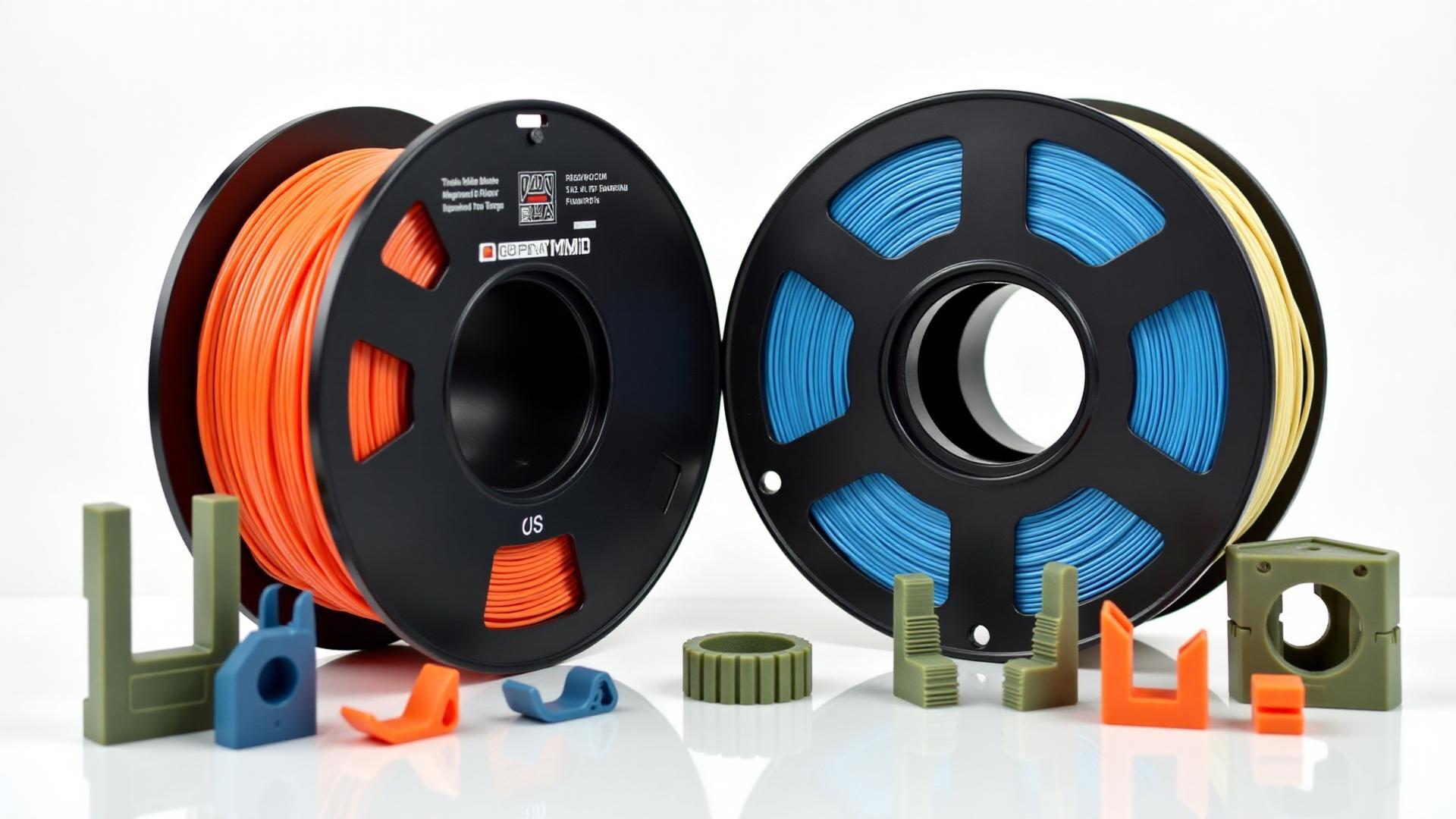
Quick Answer
The best filaments for avoiding warping on large prints are PETG and specialty low-warp PLAs like Polymaker PolyLite PETG and PolyTerra PLA. PETG's higher bed adhesion and flexibility make it ideal for 300mm+ prints, while PolyTerra PLA's matte formulation reduces thermal stress. Always use an enclosure, heated bed at 70-80°C, and print with a brim for best results.
There's nothing more frustrating than watching a 20-hour large print warp off the bed at hour 15. You've invested time, filament, and electricity—only to end up with a curled, unusable part. If you're printing helmets, cosplay armor, functional enclosures, or any model over 250mm, warping prevention becomes critical.
This guide compares materials known for lower warping and explains the settings that make the biggest difference on large-format printers such as the Sovol SV07 Plus.
Quick Comparison: Best Low-Warp Filaments Ranked
| Filament | Best For | Shrinkage | Enclosure | Cost Tier |
|---|---|---|---|---|
| Polymaker PolyLite PETG | Best Overall | 0.3-0.5% | Optional | Mid-range |
| Polymaker PolyTerra PLA | Best PLA | 0.5-0.6% | Not Required | Mid-range |
| Polymaker PolyLite ASA | Outdoor Use | 0.4-0.6% | Recommended | Premium |
| Polymaker PolyMax PC | Engineering Parts | 0.5-0.7% | Required | Premium |
| Overture PETG | Budget Pick | 0.3-0.5% | Optional | Budget-oriented |
Cost tiers describe where each material usually sits in the market, not a current price. Check the current checkout price and spool weight before ordering.
Top Pick: Polymaker PolyLite PETG
Our #1 recommendation for warp-free large prints. Exceptional bed adhesion and dimensional stability.
Check Price at PolymakerWhy Do Large Prints Warp More Than Small Ones?
Understanding warping mechanics helps you prevent it. Large prints face unique challenges that smaller models simply don't encounter:
Thermal Contraction
Plastic shrinks as it cools. With a 300mm print, even 0.5% shrinkage creates 1.5mm of contraction force pulling corners upward.
Surface Area
Larger contact areas create more stress points. Each layer adds tension that accumulates over long print times.
Print Duration
12-30 hour prints experience multiple temperature cycles as day turns to night, causing uneven cooling.
Layer Stress
Each new layer applies stress to layers below. With hundreds of layers, stress accumulates and overwhelms bed adhesion.
Tough PLA vs PETG Comparison
Can't decide between PLA and PETG? Our detailed comparison covers strength, flexibility, and printing requirements.
Top 5 Filaments for Avoiding Warping (Ranked)
Polymaker PolyLite PETG
PETG is the gold standard for large prints. Its low shrinkage rate (0.3-0.5%) and excellent bed adhesion make it virtually warp-proof on prints up to 400mm. PolyLite PETG specifically offers consistent extrusion and superior layer bonding.
- Shrinkage: 0.3-0.5% (lowest common filament)
- Bed Adhesion: Excellent on PEI and glass
- Print Temp: 230-250°C / Bed 70-80°C
- Enclosure: Optional but recommended
Polymaker PolyTerra PLA
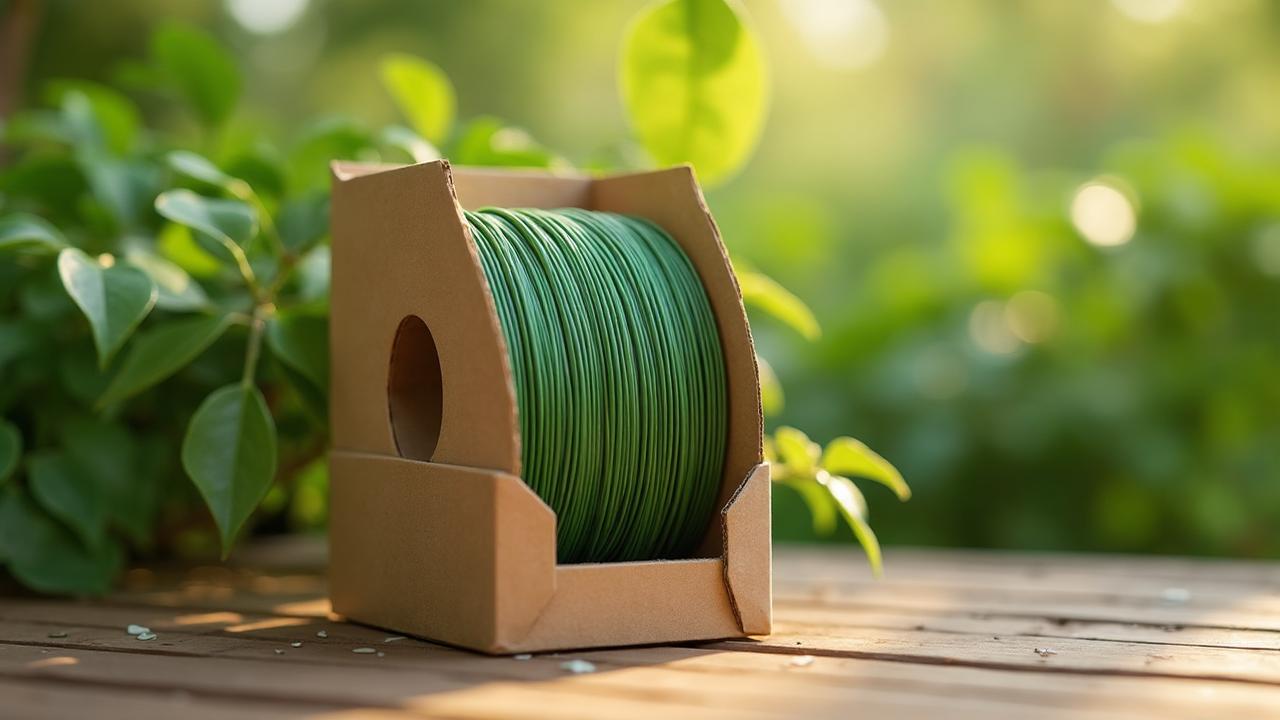
If you prefer PLA's ease of printing, PolyTerra is your best bet for large prints. Its matte formulation reduces thermal stress compared to glossy PLAs, and the eco-friendly cardboard spools are a bonus.
- Shrinkage: 0.5-0.6% (lower than standard PLA)
- Bed Adhesion: Very good on PEI
- Print Temp: 190-220°C / Bed 55-65°C
- Enclosure: Not required
Polymaker PolyLite ASA
ASA offers ABS-like properties with better UV resistance and lower warping tendency. Ideal for large outdoor parts like planters, enclosures, and automotive components. Requires enclosure.
- Shrinkage: 0.4-0.6%
- Bed Adhesion: Good with proper prep
- Print Temp: 240-260°C / Bed 90-110°C
- Enclosure: Required (40-50°C)
Polymaker PolyMax Tough PLA
When you need both warp resistance AND impact strength, Tough PLA delivers. It's modified to absorb stress rather than crack, which also helps prevent warping on large functional parts.
- Shrinkage: 0.5-0.7%
- Bed Adhesion: Excellent
- Print Temp: 200-230°C / Bed 55-70°C
- Enclosure: Optional
ABS (With Proper Setup)
ABS has a reputation for warping, but with an enclosure and proper bed prep, it can produce excellent large prints. It's still widely used in industrial applications where heat resistance matters.
- Shrinkage: 0.7-0.8% (highest)
- Bed Adhesion: Requires ABS slurry or glue stick
- Print Temp: 230-250°C / Bed 100-110°C
- Enclosure: Required (50-60°C)
Complete Filament Guide
Explore all filament types including specialty materials, print settings, and use cases.
Warp Resistance Comparison Table
| Filament | Warp Resistance | Ease of Printing | Enclosure Needed | Best For |
|---|---|---|---|---|
| PETG | ★★★★★ | ★★★★☆ | Optional | General large prints |
| PolyTerra PLA | ★★★★☆ | ★★★★★ | No | Easy large prints |
| ASA | ★★★★☆ | ★★★☆☆ | Required | Outdoor parts |
| Tough PLA | ★★★★☆ | ★★★★☆ | Optional | Functional parts |
| ABS | ★★★☆☆ | ★★☆☆☆ | Required | Heat-resistant parts |
| Standard PLA | ★★☆☆☆ | ★★★★★ | No | Small prints only |
Print Settings to Prevent Warping
Even the best filament can warp with wrong settings. Here are the critical adjustments for large-format success:
Bed Temperature
For large prints, go 5-10°C higher than normal. PLA: 65-70°C, PETG: 75-85°C. The extra heat keeps the first layers soft enough to resist pulling.
First Layer Speed
Slow down to 20-30mm/s for first layer. This gives plastic more time to bond with the bed. Also increase first layer line width to 120-150%.
Use a Brim (Not Raft)
A 10-15mm brim adds surface area without wasting material like rafts. For very large prints, increase to 20mm. The brim peels off easily after printing.
Part Cooling
Reduce part cooling fan to 50-70% for large prints. Less cooling = slower solidification = less internal stress. For PETG, use 30-50% max.
Enclosure Benefits
Even a simple cardboard enclosure maintaining 35-45°C dramatically reduces warping. For ABS/ASA, a proper enclosure at 50°C is essential.
Best Large Format Printer Deal
Looking for a printer to handle large prints? The Sovol SV07 Plus offers a 350mm build volume — see what to compare before ordering.
Recommended Printer for Large Warp-Free Prints
Sovol SV07 Plus
For truly large prints (350x350x400mm), the Sovol SV07 Plus is our top pick. Its CoreXY design with direct drive handles PETG and specialty filaments flawlessly, and the enclosed frame option helps maintain temperature stability.
- 350x350x400mm build volume
- CoreXY with 500mm/s capability
- Auto bed leveling included
- Excellent bed adhesion with PEI sheet
Complete Polymaker Filament Guide
Explore the full Polymaker lineup including specialty filaments for every application.
Going even bigger? See the best filaments for large prints
Which filaments hold up over 12+ hour prints on a large-format bed, and the reasoning behind each pick.
Frequently Asked Questions
What filament warps the least?
PETG and specialty low-warp PLAs like Polymaker PolyTerra PLA warp the least. PETG has superior bed adhesion and flexibility, while PolyTerra's matte formulation reduces thermal stress. Both are excellent choices for large prints over 300mm.
Why do large prints warp more than small ones?
Large prints warp more due to greater thermal contraction forces. As larger surface areas cool unevenly, internal stresses accumulate and pull corners upward. The longer print times also expose more layers to temperature fluctuations.
Does an enclosure prevent warping?
Yes, an enclosure significantly reduces warping by maintaining consistent ambient temperature around 35-45°C. This slows cooling, reduces thermal gradients, and minimizes the temperature difference between layers that causes warping.
Is PETG better than PLA for large prints?
Generally yes—PETG is better for large prints because it has lower shrinkage (0.3-0.5% vs PLA's 0.5-0.8%), better bed adhesion, and more flexibility to absorb stress. However, specialty PLAs like PolyTerra can match PETG's warp resistance with easier printing.
What bed temperature prevents warping?
For PLA, use 60-70°C bed temperature. For PETG, use 70-80°C. For ABS/ASA, use 90-110°C. Higher temperatures improve adhesion but can cause elephant's foot—find the balance for your specific filament and printer.
Ready for Warp-Free Large Prints?
Start with Polymaker PolyLite PETG for the most reliable large prints, or choose PolyTerra PLA if you prefer easier printing. Either way, you'll see a dramatic improvement in success rates.