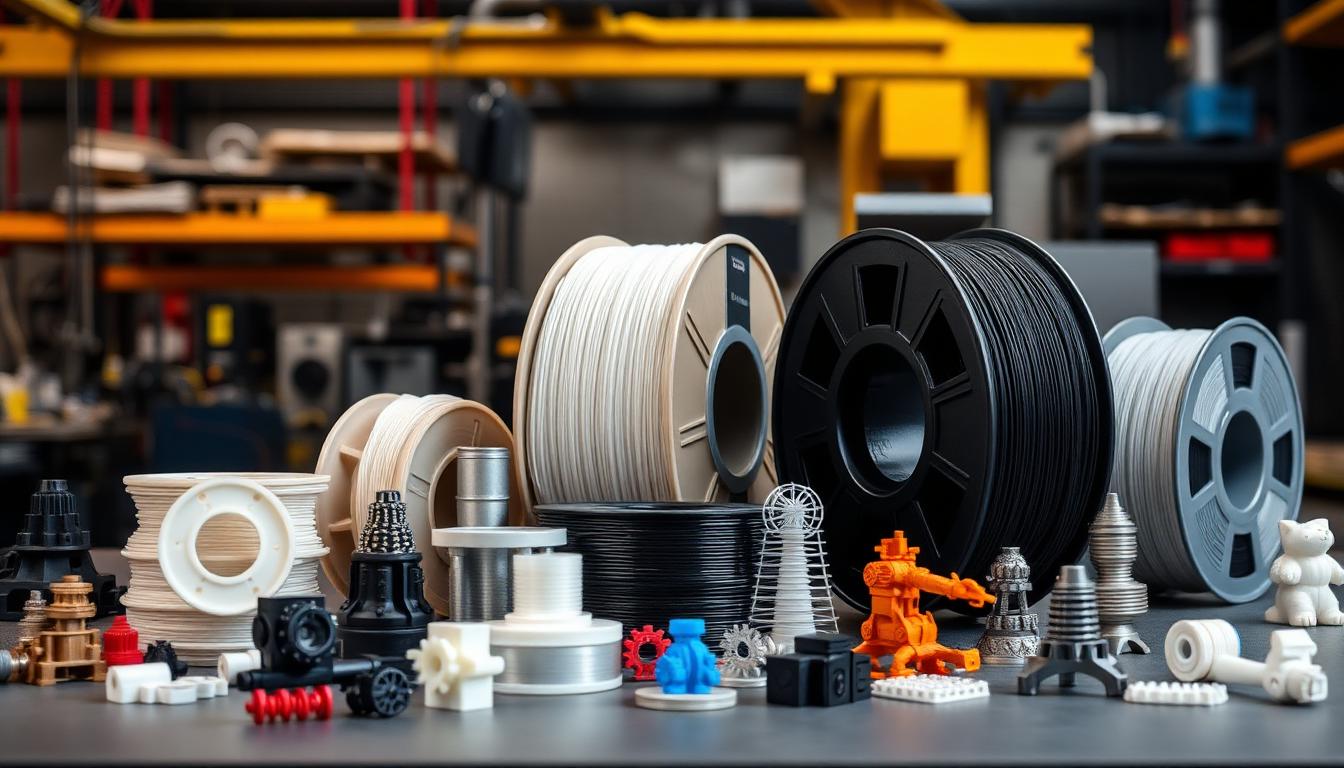
Introduction to ABS Filament
ABS (Acrylonitrile Butadiene Styrene) is the original engineering-grade 3D printing material, known for exceptional heat resistance, impact strength, and durability. While it requires more careful handling than PLA or PETG, the best ABS filament in 2025 delivers professional results for functional parts.
ABS is the same material used in LEGO bricks, automotive parts, and electronic housings. When you need parts that can withstand heat up to 100°C, resist impacts, and be post-processed with acetone for a smooth finish, ABS is the go-to choice.
Important: ABS Printing Requirements
- Ventilation Required: ABS releases styrene fumes - print with ventilation or filtration
- Enclosure Recommended: Maintain 45-60°C ambient to prevent warping
- High Bed Temp: Requires 95-110°C heated bed
Why Choose ABS?
- Heat resistant up to 100°C
- Excellent impact strength
- Acetone smoothing possible
- Easy to sand and paint
- Durable functional parts
- Industry-proven material
Explore Related Materials
Best PETG Filament 2025
Prefer easier printing? PETG offers similar strength with no enclosure required.
Tough PLA vs PETG Comparison
Not sure which material to choose? Compare Tough PLA and PETG properties.
Updated for 2026 — New ABS Picks
A refreshed ABS roundup with new contenders and updated comparison criteria.
ABS too tricky? See the strongest filaments overall
My honest take on what actually holds up in functional, load-bearing parts — ABS, PETG, Nylon, and more.
Top 5 Best ABS Filaments for 2025
After extensive testing in enclosed printers, here are our top picks for the best ABS filament in 2025. Each has been evaluated for warp resistance, layer adhesion, strength, and overall printability.

Polymaker PolyLite ABS
Polymaker PolyLite ABS is engineered for reduced warping and improved printability. Its advanced formulation produces strong, heat-resistant parts with excellent surface finish and minimal odor compared to standard ABS.
Pros
- Low warping formula
- Excellent layer adhesion
- Consistent diameter
- Low odor
Cons
- •Premium pricing
- •Still needs enclosure
Specifications
Hatchbox ABS
Hatchbox ABS delivers reliable performance with the quality control you'd expect from a leading brand. It's ideal for functional parts requiring heat resistance and durability.
Pros
- Trusted brand
- Consistent quality
- Wide color range
- Reasonable price
Cons
- •Standard warping
- •Requires ventilation
Specifications
Overture ABS
Overture ABS offers excellent value with a free build surface included. It produces strong, durable parts suitable for mechanical applications and heat-resistant components.
Pros
- Budget-friendly
- Build surface included
- Good strength
- Vacuum sealed
Cons
- •More warping prone
- •Stronger odor
Specifications
eSUN ABS+
eSUN ABS+ features an enhanced formula that reduces warping and improves impact resistance. It's easier to print than standard ABS while maintaining excellent mechanical properties.
Pros
- Enhanced formula
- Less warping
- Higher impact strength
- Easy to sand
Cons
- •Limited availability
- •Slightly higher temp needed
Specifications
SUNLU ABS
SUNLU ABS provides an affordable entry point into ABS printing. While requiring more careful setup, it delivers acceptable results for users on a budget.
Pros
- Most affordable
- Vacuum sealed
- Good for beginners
- Decent quality
Cons
- •Higher warping
- •Less consistent
Specifications
Optimal ABS Print Settings
ABS is more demanding than PLA or PETG. Here are the recommended parameters for successful ABS printing:
Temperature Settings
- Nozzle Temperature: 230-260°C (start at 245°C)
- Bed Temperature: 95-110°C
- Enclosure Temp: 45-60°C ambient
- Cooling Fan: OFF or very low (0-20%)
Speed & Retraction
- Print Speed: 40-60mm/s
- First Layer: 15-25mm/s
- Retraction (Bowden): 5-7mm at 30-40mm/s
- Retraction (Direct): 1-2mm at 25-35mm/s
Tips for Preventing Warping
- Use an enclosure: This is the single most important factor
- Apply adhesion help: ABS slurry (ABS dissolved in acetone) or glue stick
- Use a brim: 5-10mm brim significantly helps adhesion
- Slow first layer: Print at 15-20mm/s for the first layer
- Disable part cooling: Keep fan off or at minimal speed
- Avoid drafts: Close doors and windows near the printer
Enclosure & Ventilation Guide
Proper enclosure and ventilation setup is crucial for successful and safe ABS printing.
Enclosure Options
- DIY LACK Enclosure: Budget-friendly using IKEA LACK tables
- Creality Enclosure: Affordable tent-style enclosure
- Prusa Enclosure: Premium option with excellent build quality
- Enclosed Printers: Bambu Lab X1C, Qidi X-Plus 3, Flashforge Adventurer
Ventilation Requirements
- Minimum: Well-ventilated room with open windows
- Recommended: Enclosure with exhaust fan venting outdoors
- Best: HEPA + activated carbon filter system
- Never: Print ABS in living spaces, bedrooms, or around children/pets
ABS vs ASA vs PETG: Comparison
| Property | ABS | ASA | PETG |
|---|---|---|---|
| Heat Resistance | ~100°C | ~100°C | ~80°C |
| UV Resistance | Poor | Excellent | Good |
| Ease of Printing | Difficult | Moderate | Easy |
| Enclosure Needed | Yes | Yes | No |
| Fumes | Strong | Moderate | Low |
| Post-Processing | Acetone smoothing | Acetone smoothing | Sanding only |
Choose ABS When:
- Maximum heat resistance is required (up to 100°C)
- Parts need to be acetone vapor smoothed
- Printing LEGO-compatible items
- Cost is a factor (cheaper than ASA)
- Indoor functional parts
Choose ASA Instead When:
- Outdoor UV exposure is expected
- Slightly less odor is desired
- Weather-resistant parts are needed
Frequently Asked Questions
What temperature should I print ABS at?
Most ABS filaments print best between 230-260°C for the nozzle and 95-110°C for the heated bed. Start at 245°C and adjust based on your results. A heated enclosure maintaining 45-60°C ambient temperature significantly reduces warping.
Do I need an enclosure to print ABS?
While not strictly required for small prints, an enclosure is highly recommended for ABS. It maintains consistent ambient temperature (45-60°C), dramatically reduces warping and layer splitting, and contains fumes. For large prints, an enclosure is essentially mandatory.
Is ABS safe to print indoors?
ABS releases styrene fumes during printing which can cause headaches and respiratory irritation. Always print ABS with good ventilation, preferably with an enclosure that vents outdoors or uses a HEPA/carbon filter. Avoid printing ABS in living spaces or around children and pets.
Why does my ABS print warp?
ABS warping is caused by uneven cooling. Solutions include: using an enclosure to maintain 45-60°C ambient temperature, increasing bed temperature to 100-110°C, using a brim or raft, applying ABS slurry or glue stick, reducing cooling fan speed or turning it off, and printing with larger first layer height.
What is ABS best used for?
ABS excels in applications requiring heat resistance (up to 100°C), impact strength, and durability. Common uses include automotive parts, electronic enclosures, power tool housings, mechanical parts, LEGO-compatible pieces, and items that will be painted or acetone-smoothed.
Conclusion: Which ABS Should You Buy?
The best ABS filament in 2025 depends on your experience level and specific needs:
- Best Overall: Polymaker PolyLite ABS - Low-warp formula with excellent quality
- Best Reliable: Hatchbox ABS - Trusted brand, consistent results
- Best Value: Overture ABS - Great price with included build surface
- Best Enhanced: eSUN ABS+ - Reduced warping, improved strength
Remember: ABS requires an enclosure, good ventilation, and proper settings for success. If you're new to ABS, start with Polymaker PolyLite ABS for the most forgiving experience.
Ready for Professional ABS Printing?
Get our top-rated Polymaker PolyLite ABS for the best printing experience.
Shop Polymaker ABSRelated Articles
Best PETG Filament 2025 - Top 5 Picks
Discover the best PETG filament for strong, heat-resistant 3D prints.
Best Filament for Avoiding Warping on Large Prints
Tested comparison of filaments for warp-free large format printing.
Tough PLA vs PETG: Which is Better?
Complete comparison of Tough PLA and PETG properties and use cases.