Last Updated: November 21, 2025
Best 3D Printers for Miniatures & Tabletop Gaming 2025
By Chris Avery, Publisher / Editor
Top picks for printing detailed miniatures, terrain, and accessories for D&D, Warhammer 40K, and tabletop RPGs
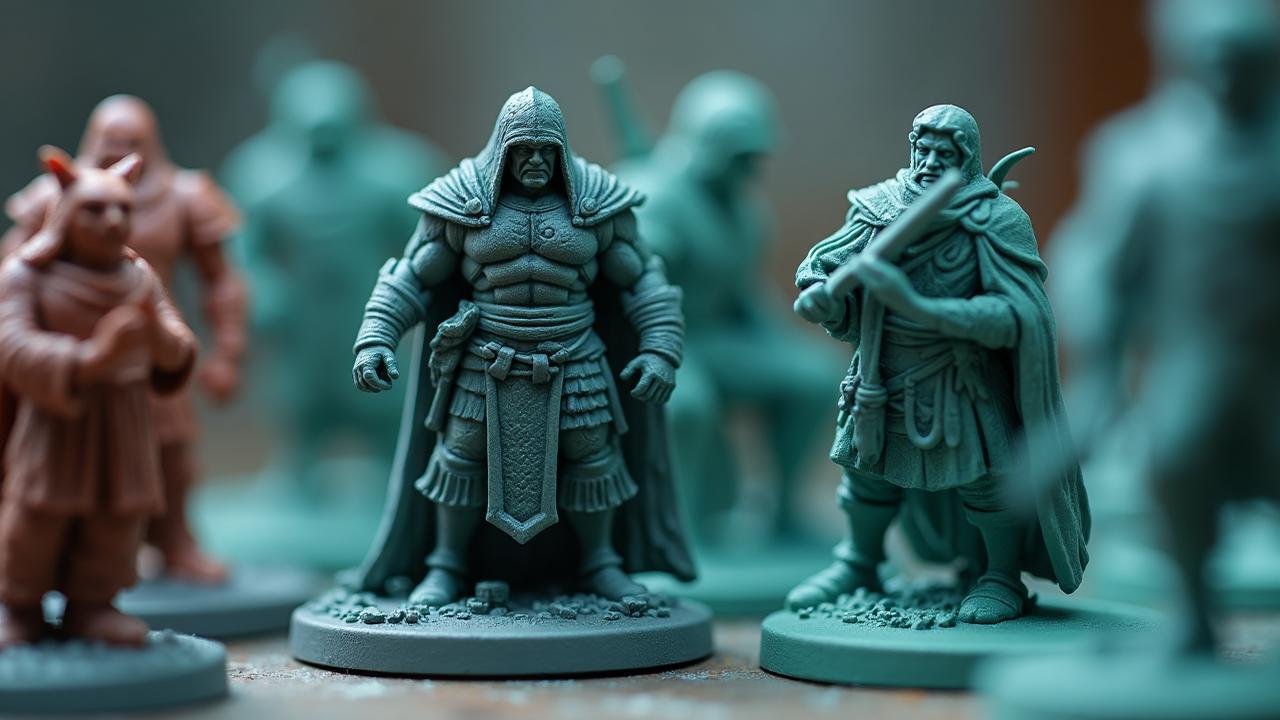
Printing your own miniatures and terrain transforms tabletop gaming. Whether you're building armies for Warhammer 40K, creating custom characters for D&D, or designing unique terrain, having the right 3D printer makes all the difference.
The key features that matter most for tabletop gaming are layer resolution for fine details, print reliability for overnight runs, and speed for producing armies efficiently.
Quick Recommendation
Best Overall for Miniatures: The Sovol SV06 delivers exceptional 0.1mm layer detail with auto bed leveling and direct drive precision. It offers a strong balance of quality and speed for printing gaming miniatures — check the current listing for pricing.
View Sovol SV06 Listing →Understanding Miniature Print Quality
FDM vs Resin for Miniatures
The debate continues, but here's the practical reality: FDM printers excel for tabletop gaming, while resin shines for display pieces.
FDM Advantages for Gaming Miniatures
Modern FDM printers like the Sovol SV06 achieve 0.1mm layer heights that produce excellent gaming miniatures. At typical viewing distance on a gaming table, FDM miniatures are indistinguishable from resin—especially after painting.
What is Layer Height?
Layer Height is the vertical thickness of each horizontal layer deposited during 3D printing, measured in millimeters. For miniatures, 0.1mm (100 microns) is the standard for capturing fine details.
Lower layer heights produce finer detail but increase print time exponentially. For 28-32mm gaming miniatures, 0.1mm provides the best balance between detail resolution and practical print times (typically 4-8 hours per model).
Critical Features for Miniature Printing
Layer Resolution
Minimum 0.1mm capability required. This layer height captures facial features, weapon details, and armor textures effectively.
The Sovol SV06's rigid frame and precision lead screw maintain consistent 0.1mm layers across entire prints.
Direct Drive Extruder
Essential for miniature detail. Direct drive eliminates retraction issues that cause stringing between small miniature features.
The SV06's all-metal direct drive handles fine retraction settings needed for clean miniature prints.
Print Reliability
Overnight printing is standard. Miniatures often take 4-8 hours. Your printer must complete prints reliably without supervision.
Auto bed leveling and resume print features prevent wasted filament and failed overnight prints.
Build Surface
PEI spring steel required. Miniatures have small contact points that need strong adhesion but easy removal.
Flexible spring steel lets you flex the surface to pop miniatures off without damage.
Top 3D Printers for Miniature Gaming
1. Sovol SV06 - Best Value for Gaming Miniatures
Sovol SV06
Perfect miniature printer for tabletop gamers
Build Volume
220×220×250mm
Price
Check current listing
Perfect For:
D&D players printing custom characters • Warhammer players building armies • Terrain creators • Anyone wanting gaming-quality miniatures without resin hassle. New to printing? See our beginner's guide.
2. Sovol SV06 Plus - For Large Terrain & Display Pieces
Sovol SV06 Plus
Larger build volume for terrain and big monsters
Build Volume
300×300×340mm
Price
Check current listing
Consider this option if you print terrain regularly or want to batch-print armies more efficiently. Same quality as SV06 with more build space.
Optimal Settings for Miniature Printing
Recommended Print Settings
Gaming Miniatures (28mm-32mm scale)
Layer Height
0.1mm (0.12mm acceptable)
Print Speed
40-50mm/s
Infill
10-15% (miniatures are mostly wall)
Supports
Tree supports at 45° overhang threshold
Terrain & Large Pieces
Layer Height
0.15-0.2mm (faster, still looks great)
Print Speed
60-80mm/s
Infill
10% gyroid (strong, fast)
Walls
3 perimeters for durability
Best Filament for Miniatures
Learn which filament produces the best detail and paint adhesion for gaming miniatures.
Best Filament for Miniature Printing
Filament choice dramatically impacts miniature quality. Here's what actually matters for tabletop gaming:
Polymaker PolyTerra PLA Matte
Why PolyTerra Matte is Perfect for Miniatures:
Pro Tip: For miniatures, use Charcoal Grey or Fossil Grey PolyTerra. These neutral colors show details better than black or white, making painting easier since you can see all surface features clearly.
PolyTerra vs PolyLite PLA
How Polymaker's matte and glossy consumer PLA lines differ in practice.
Miniature Printing Tips & Tricks
Orientation Matters
How you orient miniatures on the build plate affects both quality and support requirements:
Post-Processing for Painting
- 1. Remove supports carefully using flush cutters. Pull tree supports away from the model, not toward it, to prevent surface damage.
- 2. Clean with isopropyl alcohol to remove any hand oils or print residue that could affect paint adhesion.
- 3. Apply primer directly—PolyTerra's matte surface doesn't require sanding for most miniatures. Use gray primer to preserve detail visibility.
- 4. Paint normally using standard miniature painting techniques. FDM miniatures accept acrylic paint identically to traditional miniatures.
Cost Analysis: Printing vs Buying Miniatures
Let's calculate the real cost of printing miniatures compared to buying them:
Per-Miniature Cost Breakdown
Average 28mm miniature material
~15 g
Material use per 28mm miniature — multiply by the current per-kg price of your filament
Purchased plastic miniature
1 unit
Compare against the current retail price of an equivalent figure
Break-Even Analysis:
Compare the combined cost of a printer plus filament against the retail price of buying an equivalent number of miniatures to estimate how many prints it takes to break even.
Real Cost Advantage:
Beyond potential savings, you gain unlimited design access, immediate availability, and the ability to scale armies affordably compared to buying an equivalent army at retail.
Frequently Asked Questions
What's the best 3D printer for miniatures in 2025?
For tabletop miniatures, the Sovol SV06 delivers exceptional detail at 0.1mm layer height with its all-metal direct drive extruder.-239, it provides the precision needed for miniatures while remaining affordable. For ultra-high detail display pieces, consider resin printers, but FDM printers like the SV06 are perfect for gaming miniatures.
Can FDM printers make good miniatures?
Yes, modern FDM printers excel at tabletop gaming miniatures. With 0.1mm layer heights and quality filament like Polymaker PolyTerra PLA, you can achieve excellent detail for 28mm-32mm miniatures. FDM offers advantages over resin: no toxic fumes, easier post-processing, and faster printing for terrain and larger pieces.
What layer height should I use for miniatures?
Use 0.1mm layer height for best results on gaming miniatures with FDM printers. This provides excellent detail while maintaining reasonable print times. For terrain pieces, 0.15-0.2mm works well. Always use a 0.4mm nozzle—smaller nozzles increase clogging risk without significant quality improvement for miniatures.
Do I need a resin printer for miniatures?
Not necessarily. While resin printers offer higher detail for display pieces, FDM printers like the Sovol SV06 are excellent for tabletop gaming miniatures. FDM advantages include no toxic resin handling, no messy cleanup, easier painting preparation, and better durability for gaming pieces. Most players can't tell the difference on the table.
What's the best filament for printing miniatures?
Polymaker PolyTerra PLA Matte is ideal for miniatures. The matte finish reduces layer lines visibility, accepts paint better than glossy filament, and provides excellent detail at 0.1mm layers. It's affordable for printing armies. Avoid cheap filament—inconsistent diameter causes surface defects that ruin miniature details.
Ready to Start Printing Miniatures?
The Sovol SV06 provides everything you need to print gaming-quality miniatures. Combine it with Polymaker PolyTerra PLA Matte, and you're ready to build armies, create terrain, and design custom characters for your tabletop adventures.